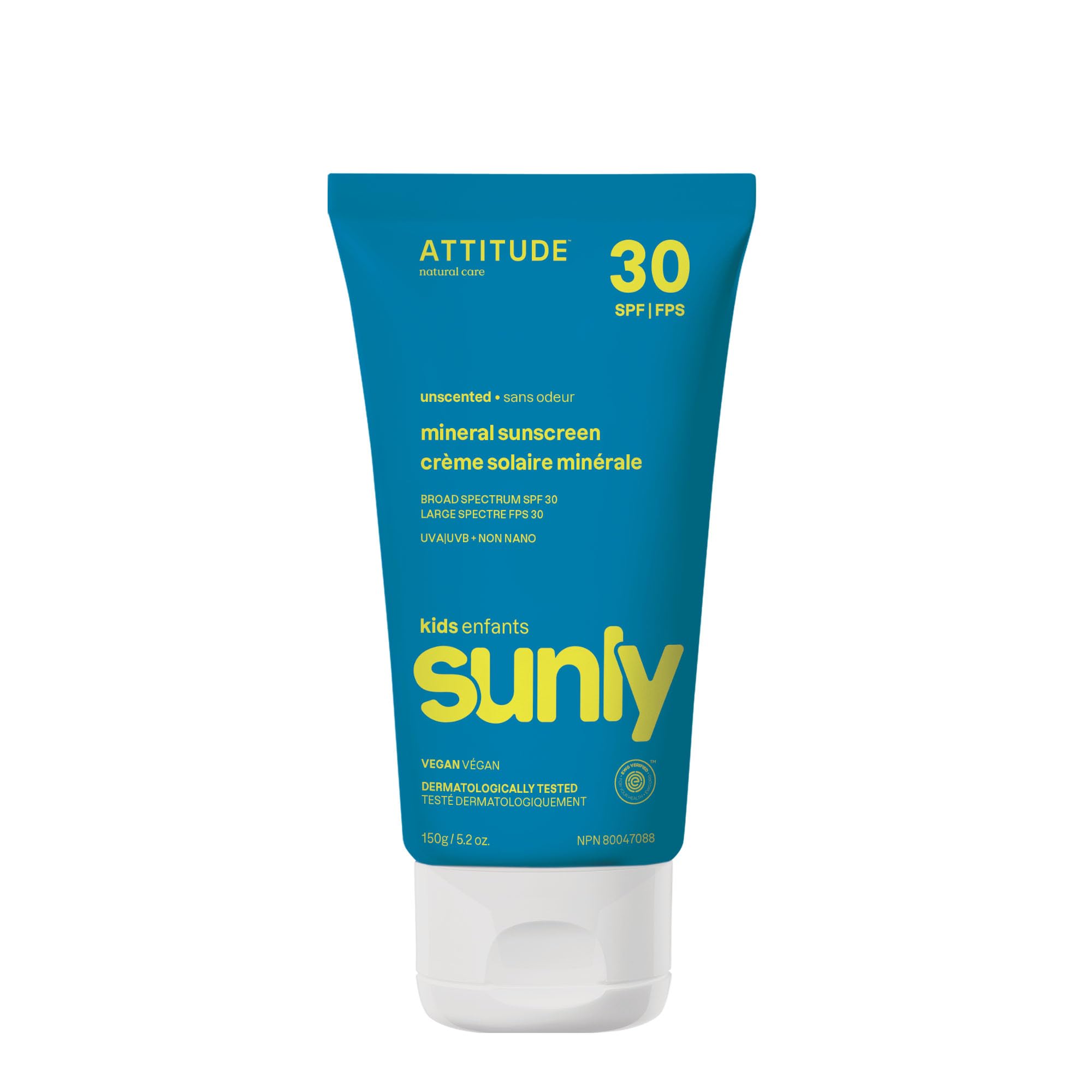
This post may contain affiliate links. As an Amazon Associate, we earn from qualifying purchases at no extra cost to you.
⚠️ Affiliate Disclosure: This page contains Amazon affiliate links (tag: genzproduc07c-20). We earn a small commission at no extra cost to you. All product recommendations are based on safety certifications and ingredient standards.
Sunlight has always been part of a healthy life—supporting mood, vitamin D production, and overall well-being. But today, with longer exposure and environmental stressors, protecting your skin the right way matters more than ever. The key is not avoiding the sun—it's choosing smarter protection.
☀️ Why Sunscreen Matters More Than You Think
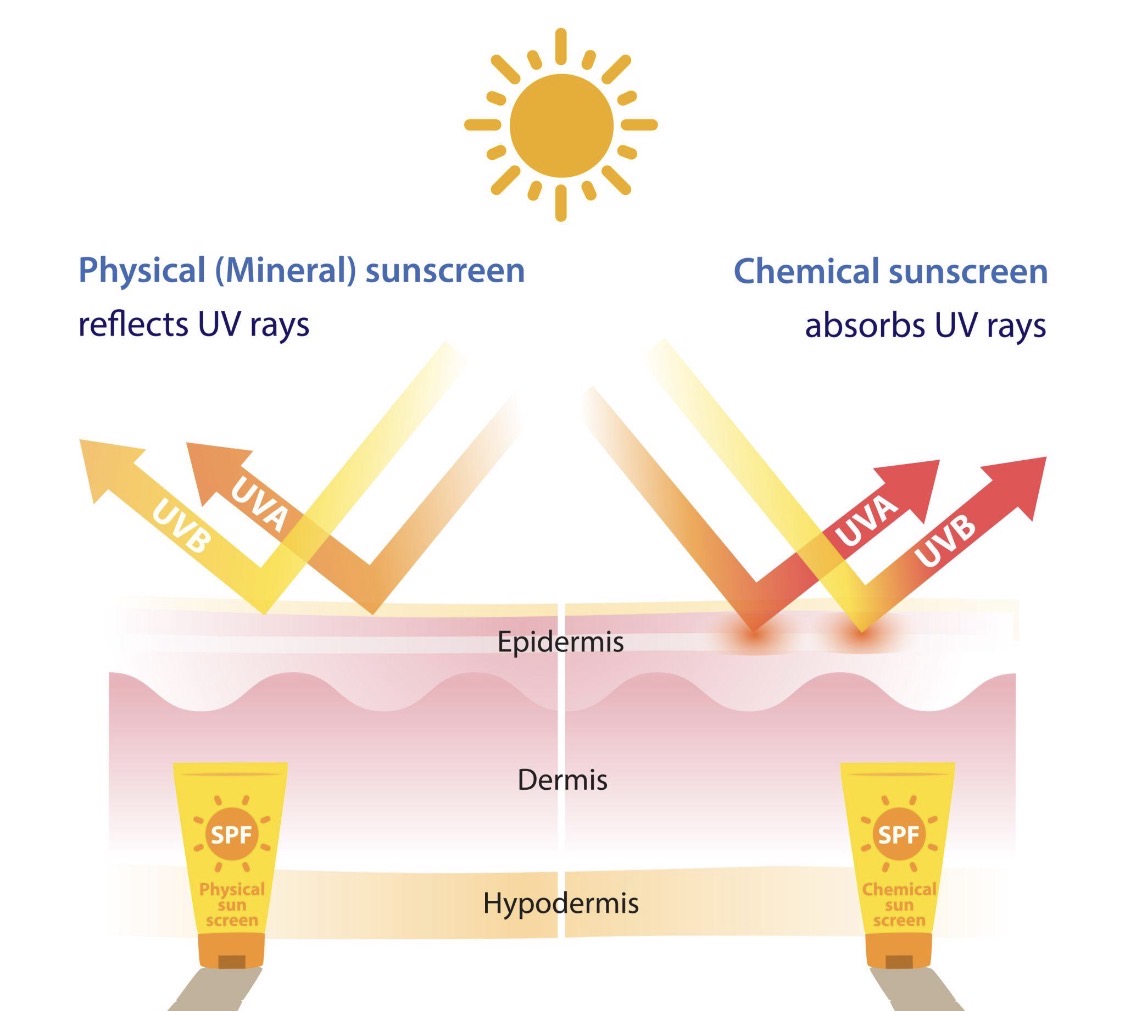
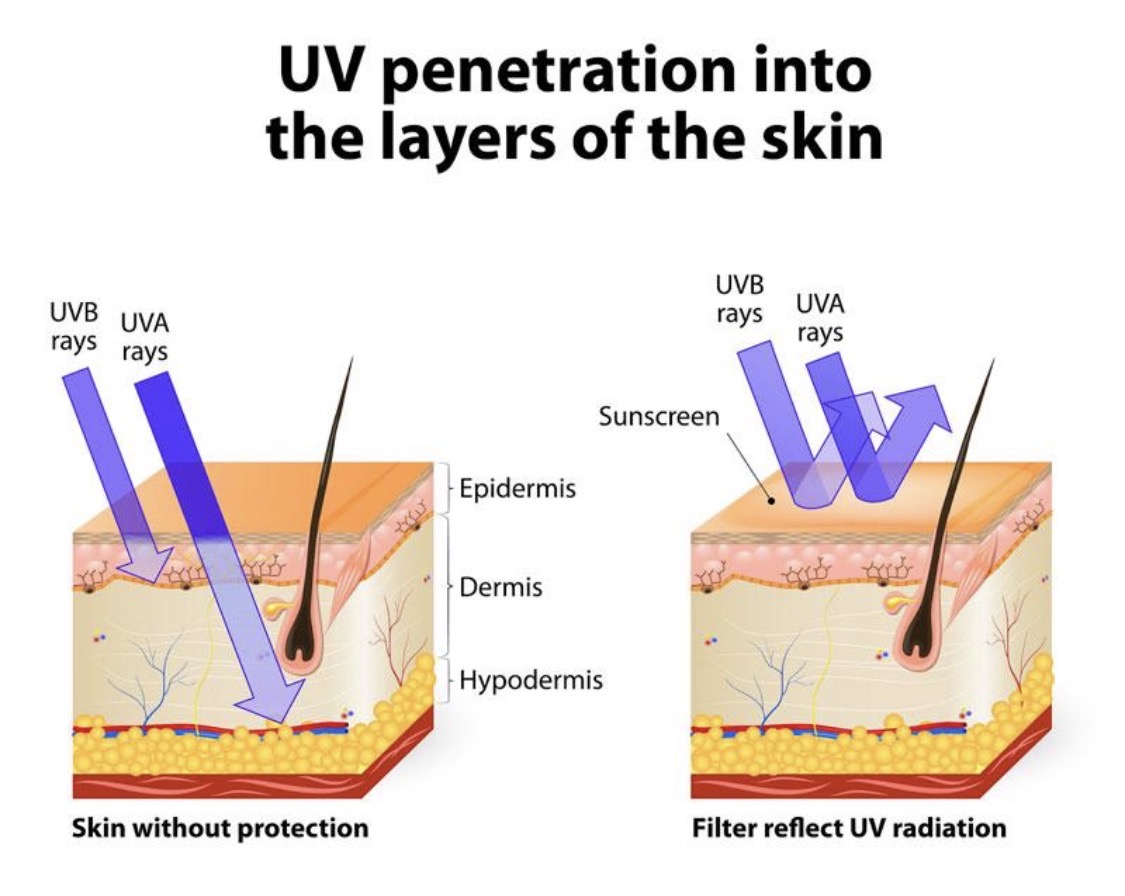
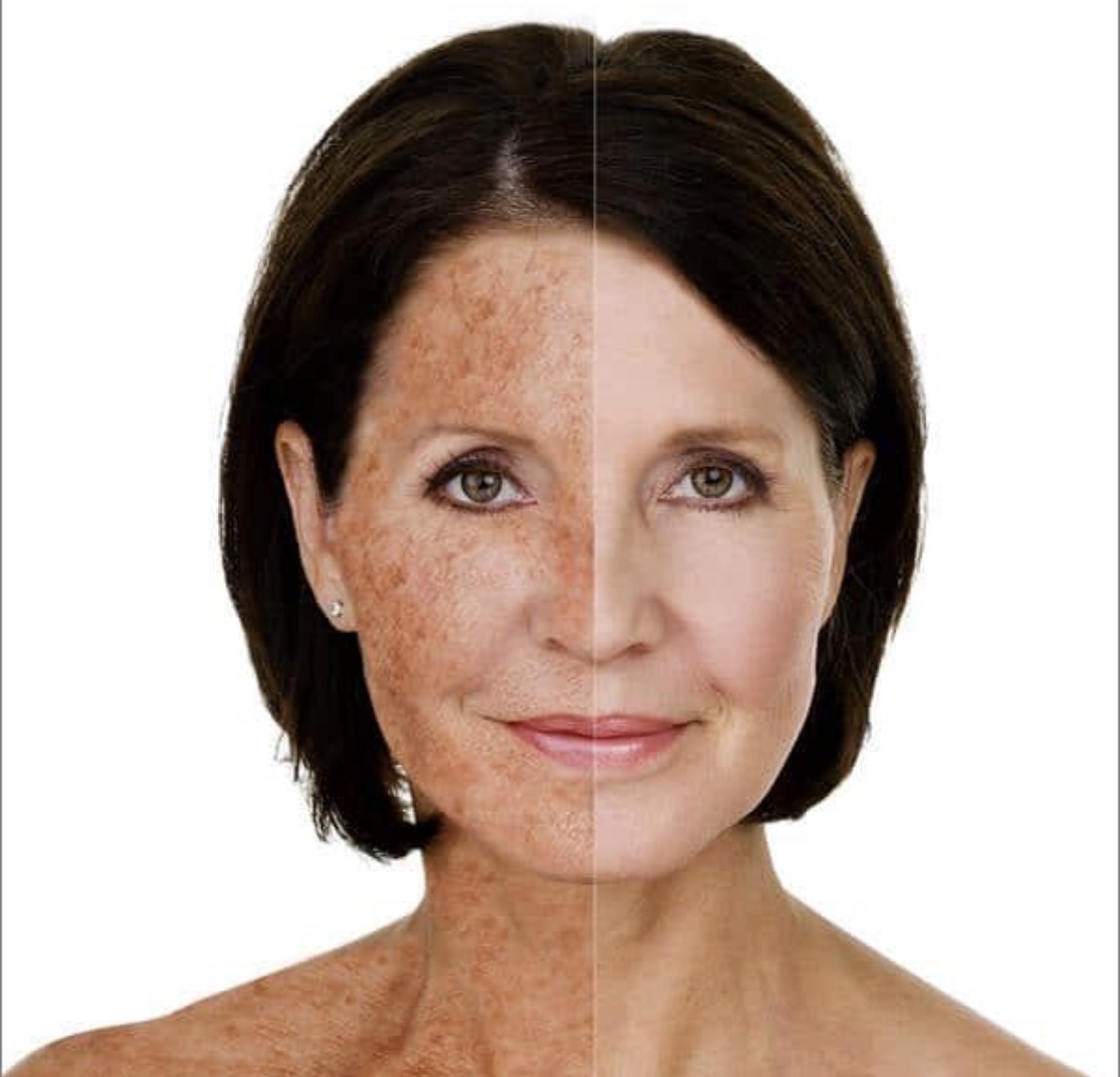
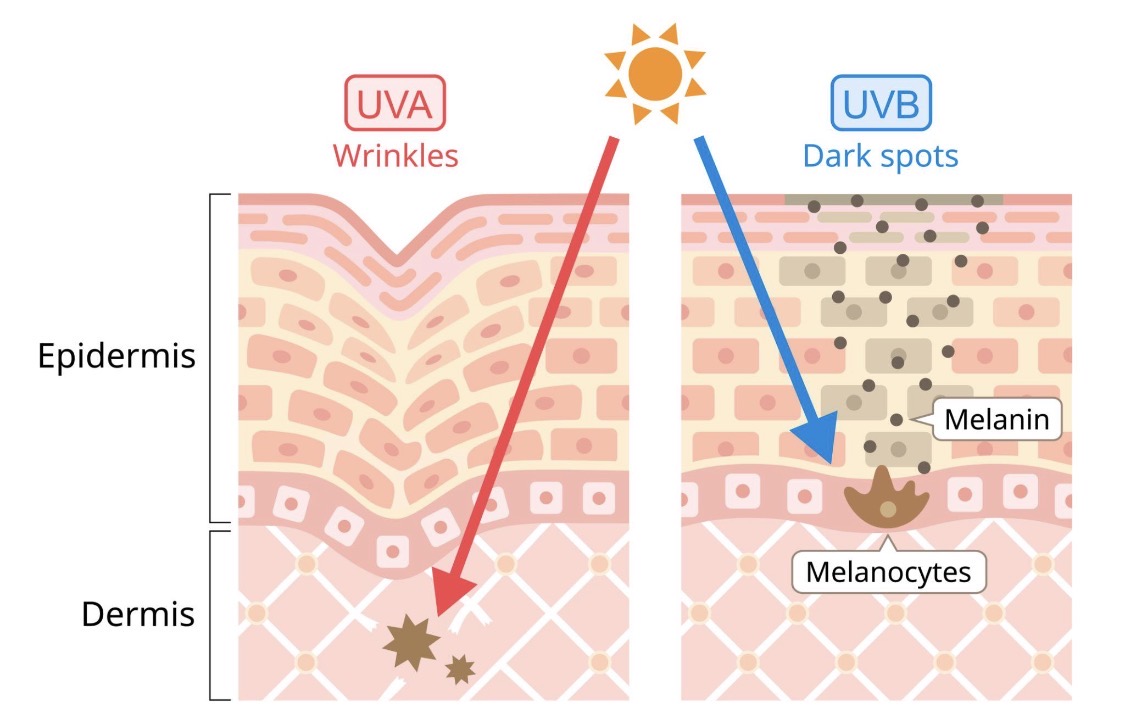
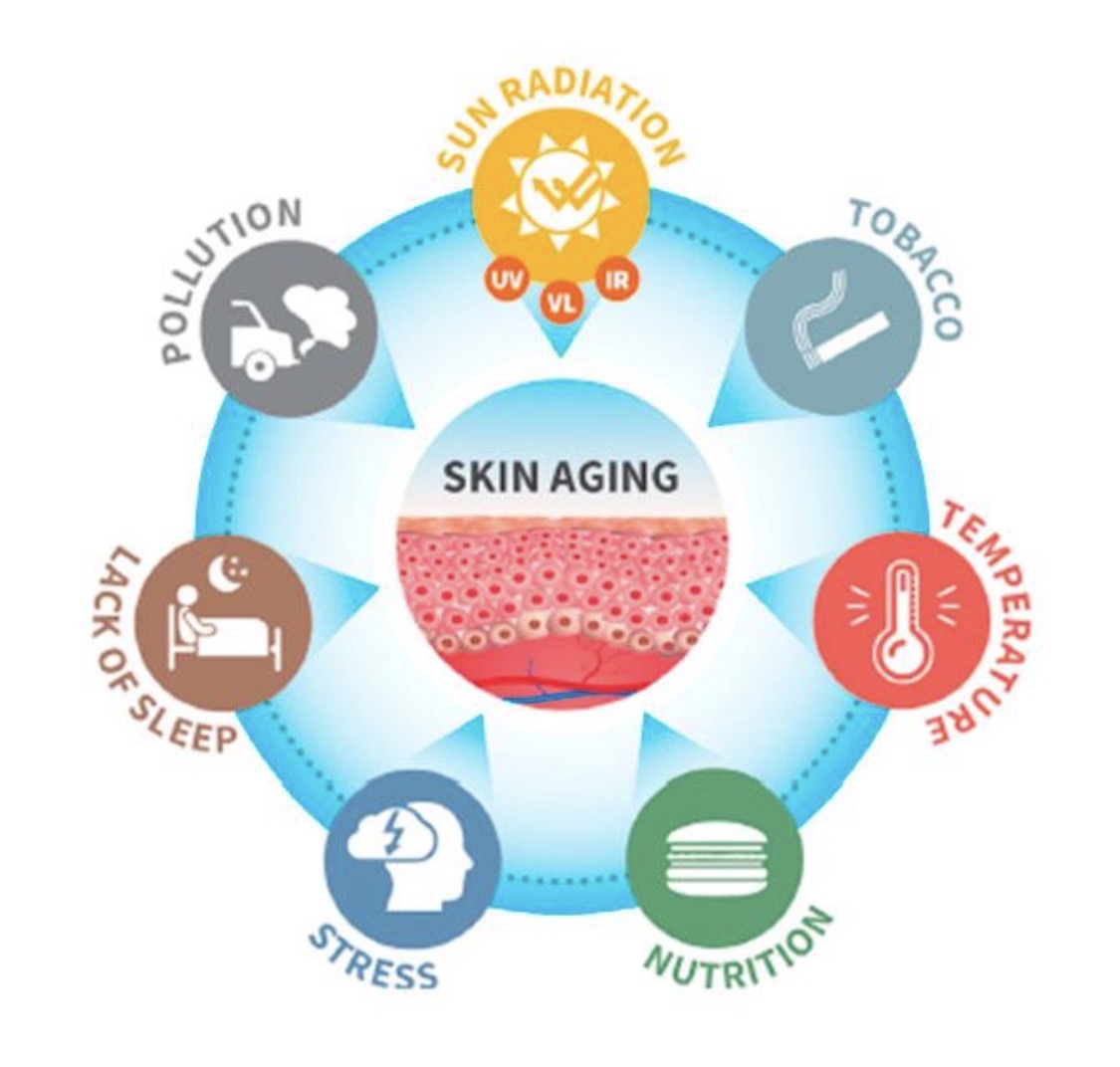
Every time your skin is exposed to the sun, it absorbs ultraviolet (UV) radiation. Over time, this can lead to:
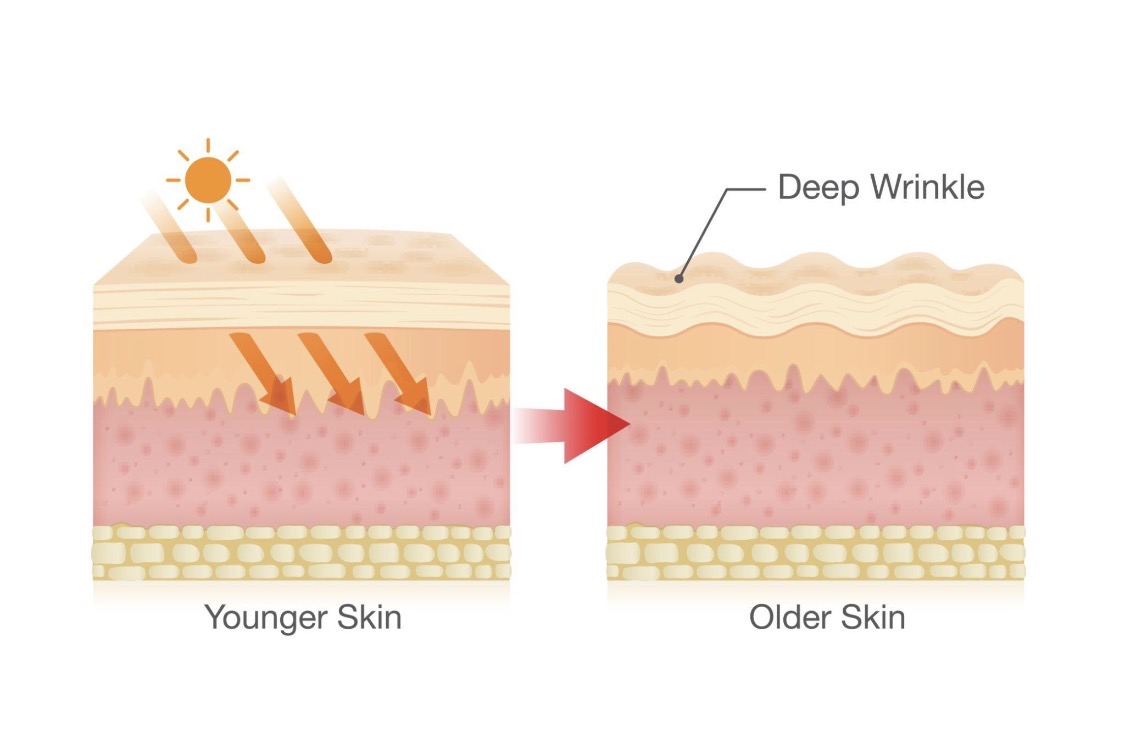
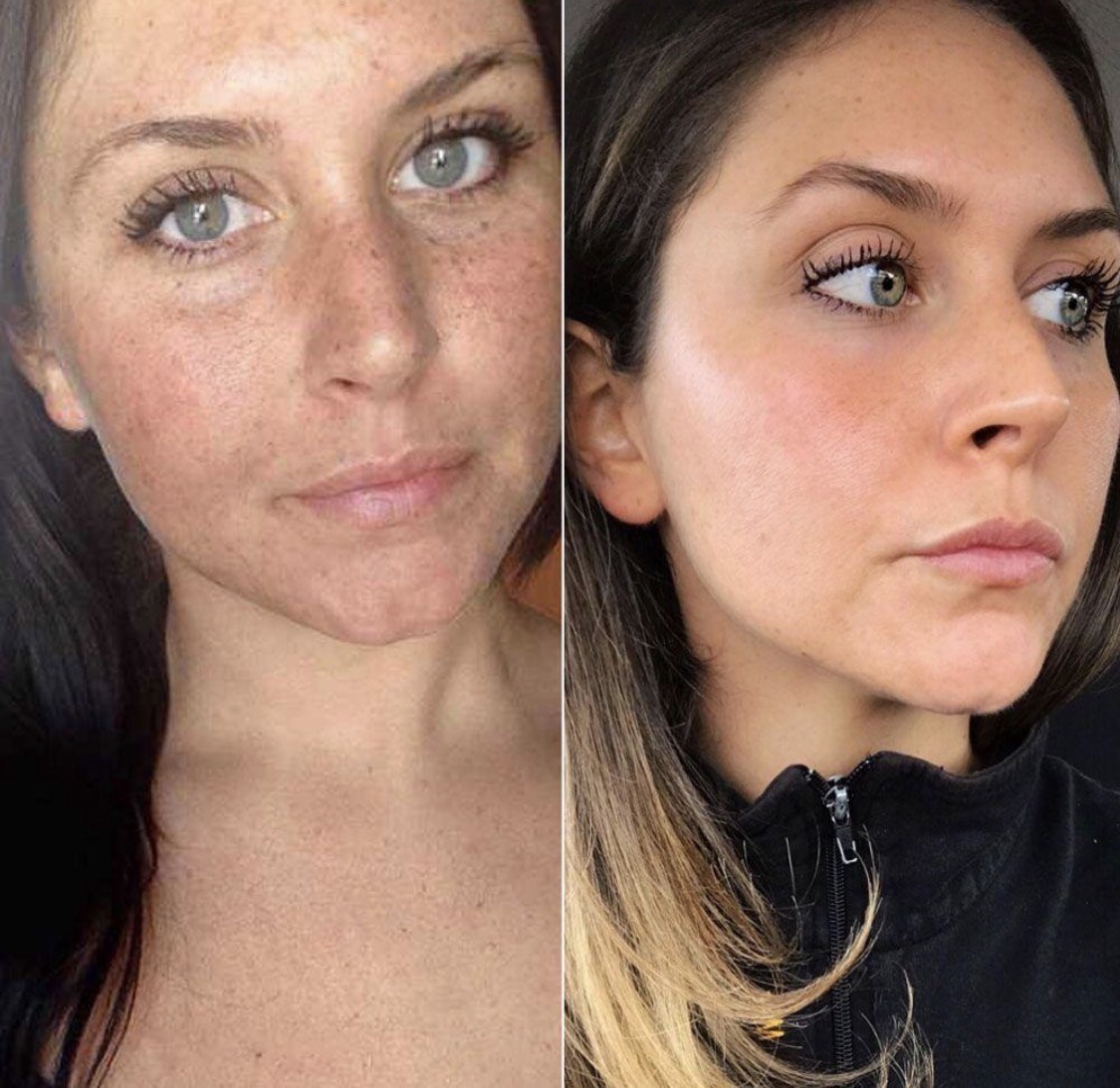
- Premature aging (wrinkles, fine lines, dark spots)
- Sunburn and skin irritation
- Long-term damage that increases skin cancer risk
Even on cloudy days, up to 80% of UV rays still reach your skin. That means daily protection isn't optional—it's essential.
🚨 The Hidden Problem With Most Sunscreens
Not all sunscreens are created equal. Many conventional options contain ingredients that raise concerns—not just for your skin, but for your overall health.
Some commonly questioned ingredients include:
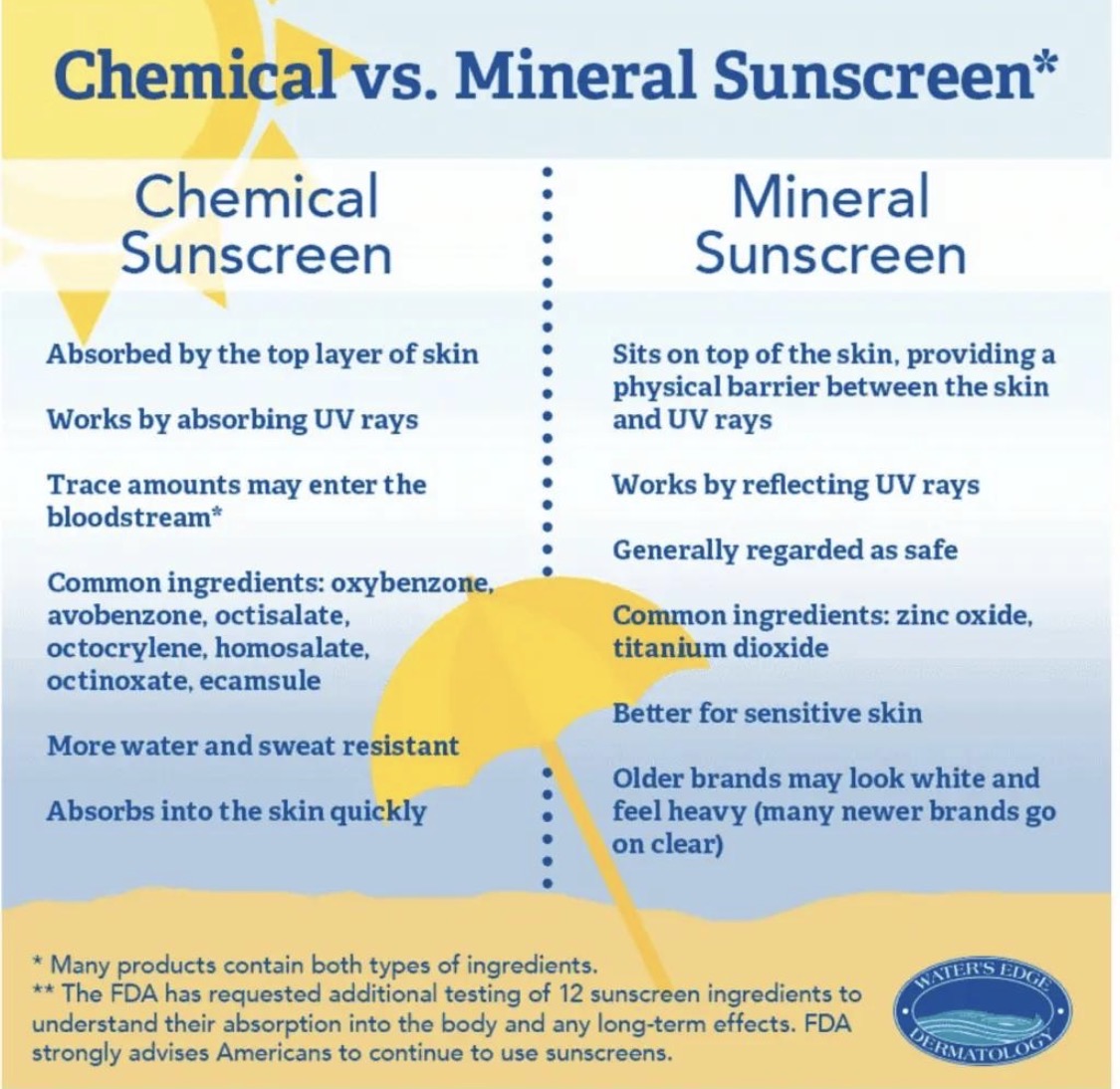
- Oxybenzone & Octinoxate – linked to hormone disruption
- Fragrance blends – can irritate sensitive skin
- Chemical UV filters – absorbed into the bloodstream
These are widely used because they're cheap and easy to formulate—but that doesn't mean they're the best choice for your body.
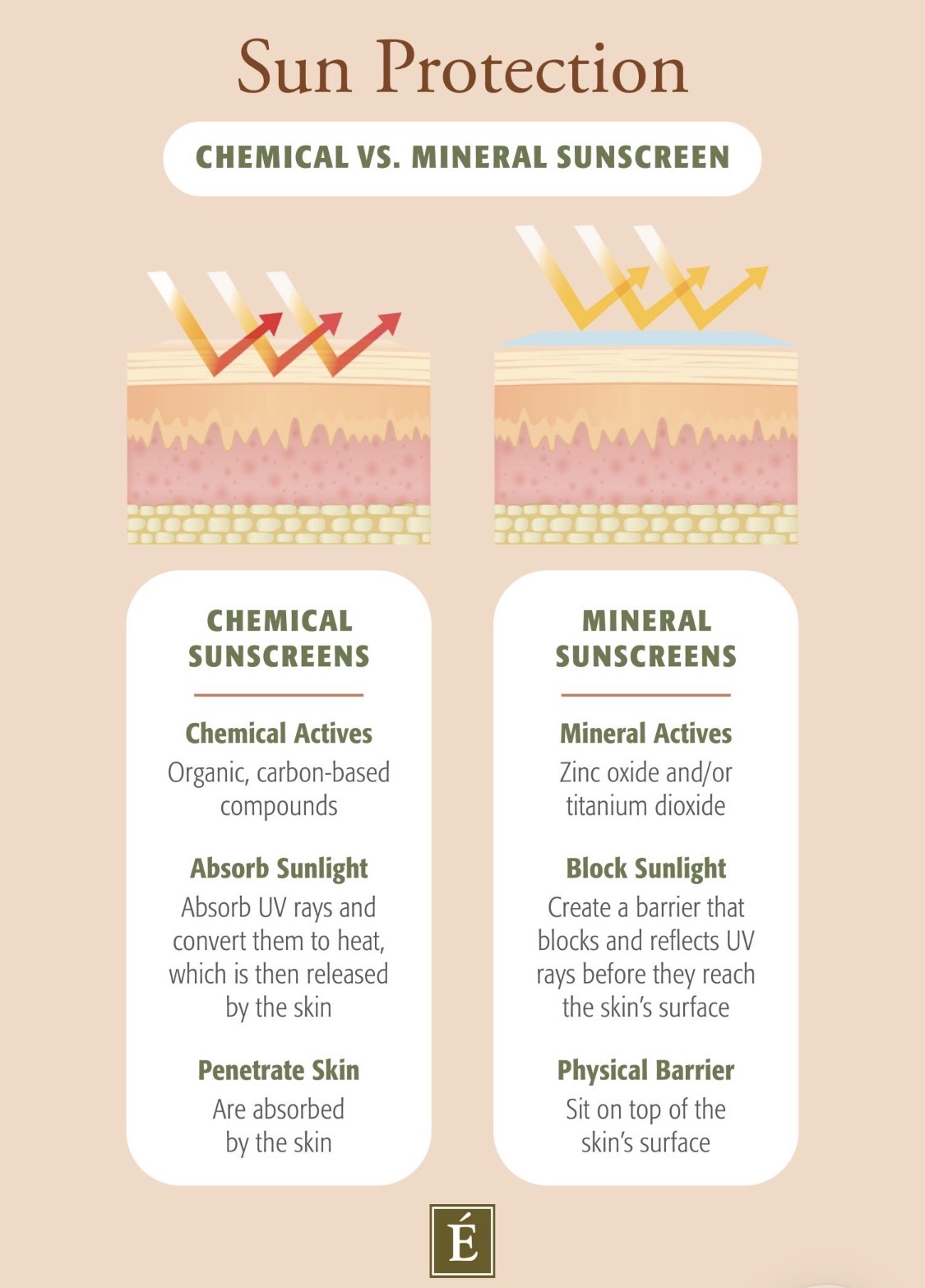
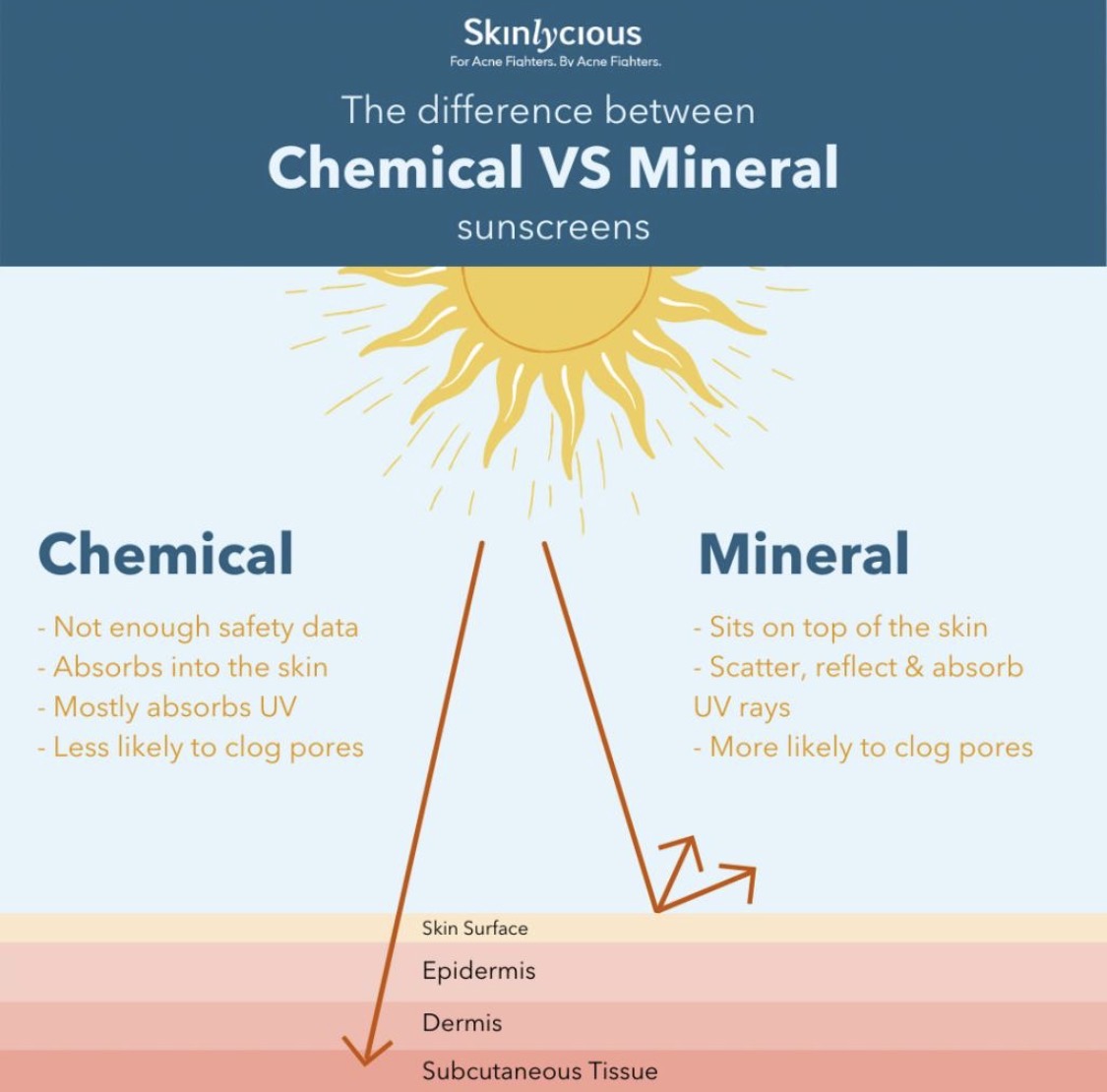
🧴 Mineral vs. Chemical Sunscreen: What's the Difference?

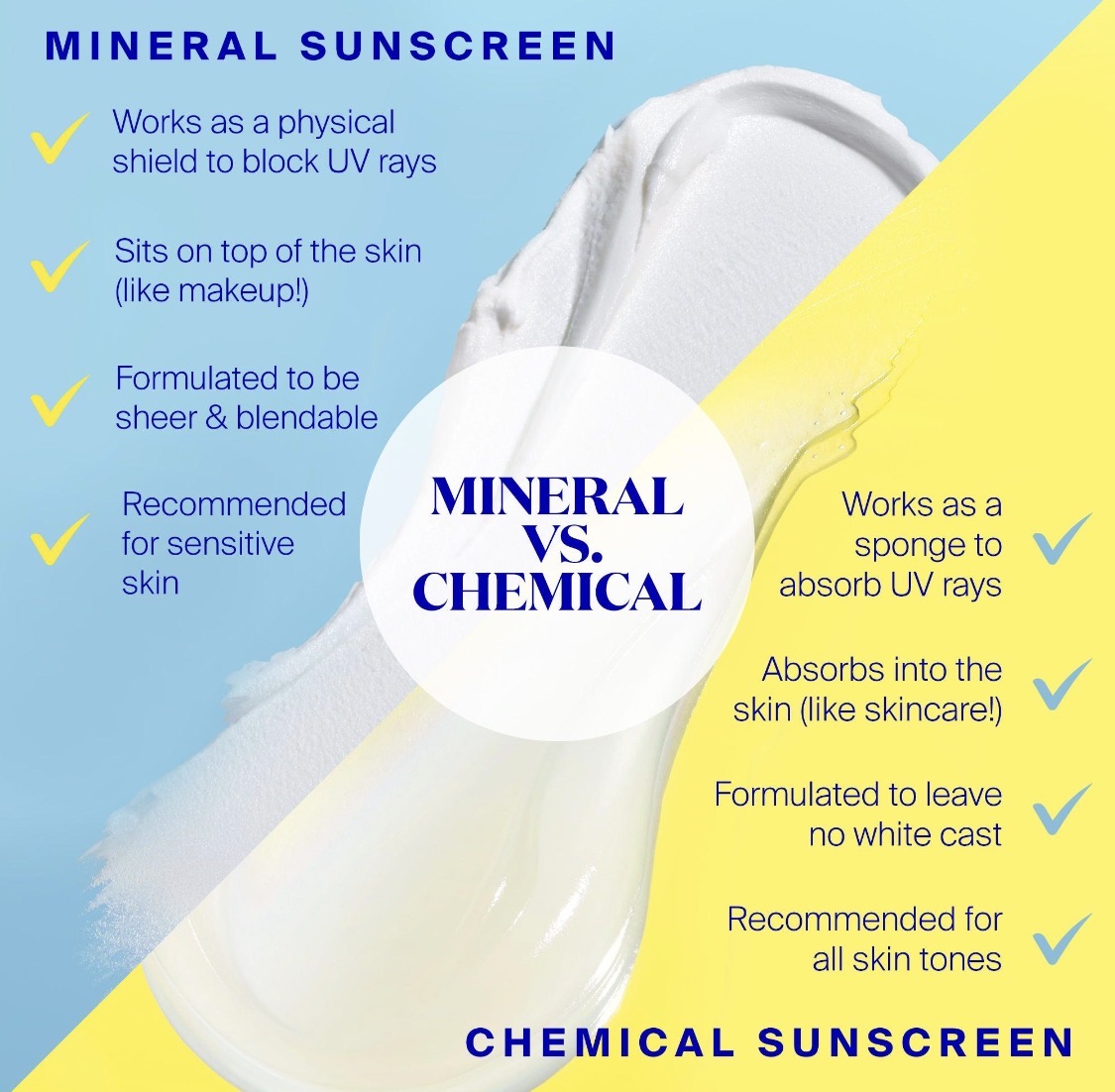
✅ Mineral Sunscreen (The Traditional Approach)
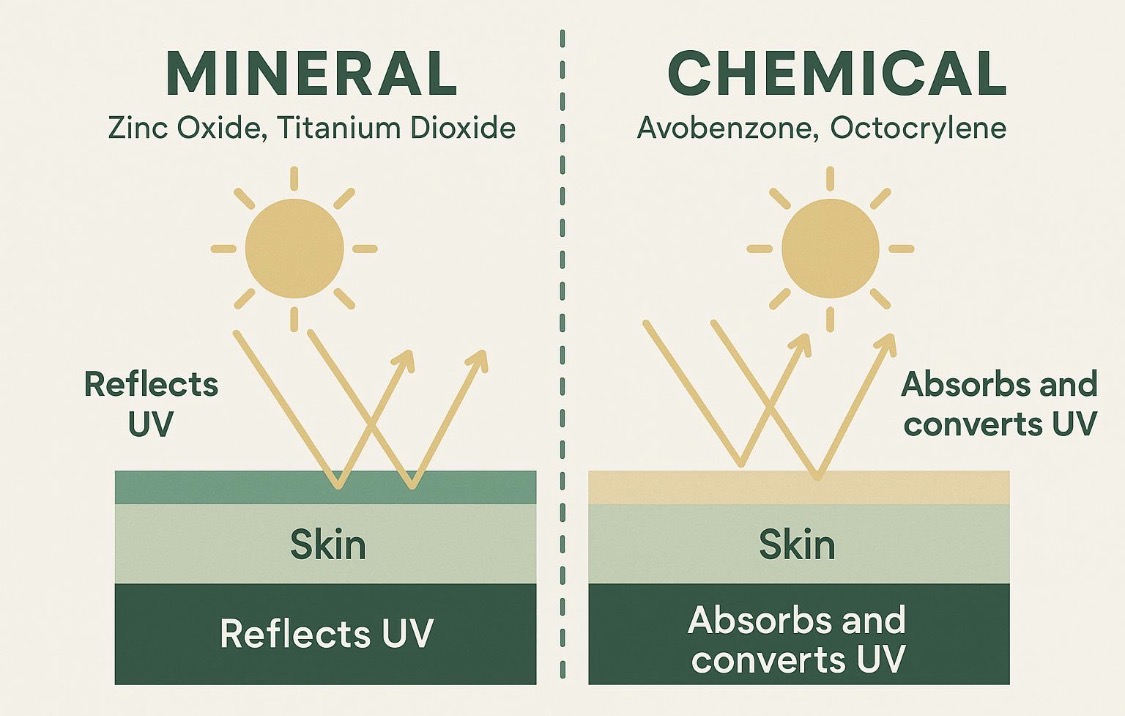
- Uses zinc oxide or titanium dioxide
- Sits on top of the skin and reflects UV rays
- Starts working immediately
- Less likely to irritate sensitive skin
⚗️ Chemical Sunscreen (Modern Formulation)
- Absorbs UV rays and converts them into heat
- Needs 15–20 minutes to activate
- Often contains multiple synthetic ingredients
Simple rule: If you want a cleaner, more reliable option, mineral sunscreen is the safer bet.
🔍 What to Look for in a Clean Sunscreen
Choosing the right sunscreen doesn't have to be complicated. Stick to what's worked for generations—simple, effective ingredients.
✔ Look for:
- Broad-spectrum protection (UVA + UVB)
- SPF 30 or higher
- Zinc oxide as the active ingredient
- Fragrance-free or naturally scented
- EWG-verified or non-toxic labeling
These standards help ensure you're protecting your skin without introducing unnecessary chemicals. Check our guide to reading EWG ratings to understand exactly what the scores mean.
✋ How to Use Sunscreen the Right Way
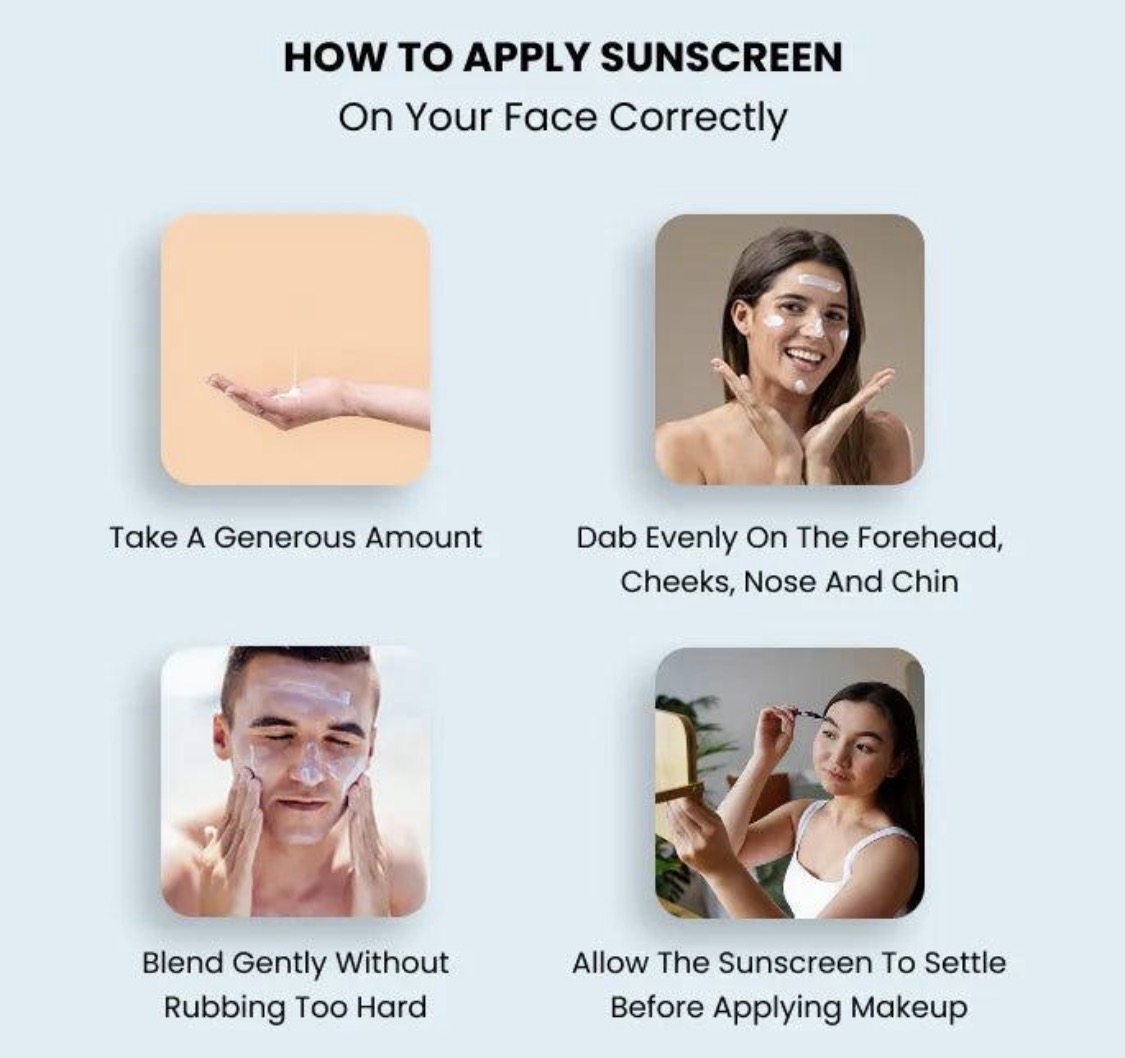
Even the best sunscreen won't work if it's not used properly.
Follow these basics:
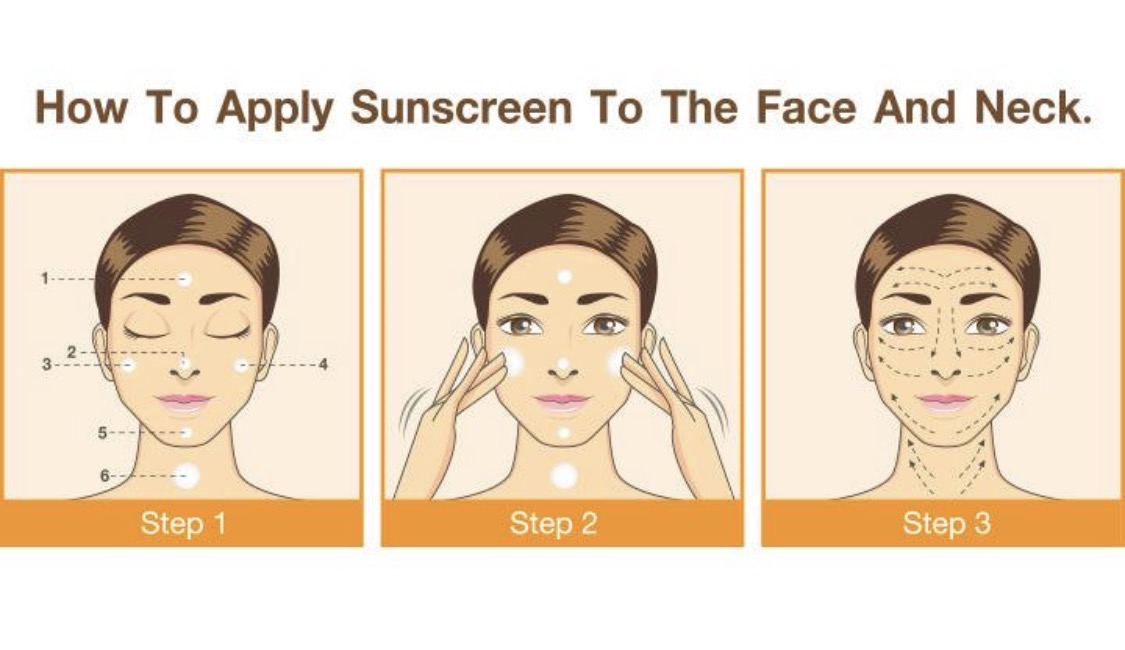
- Apply 15 minutes before sun exposure
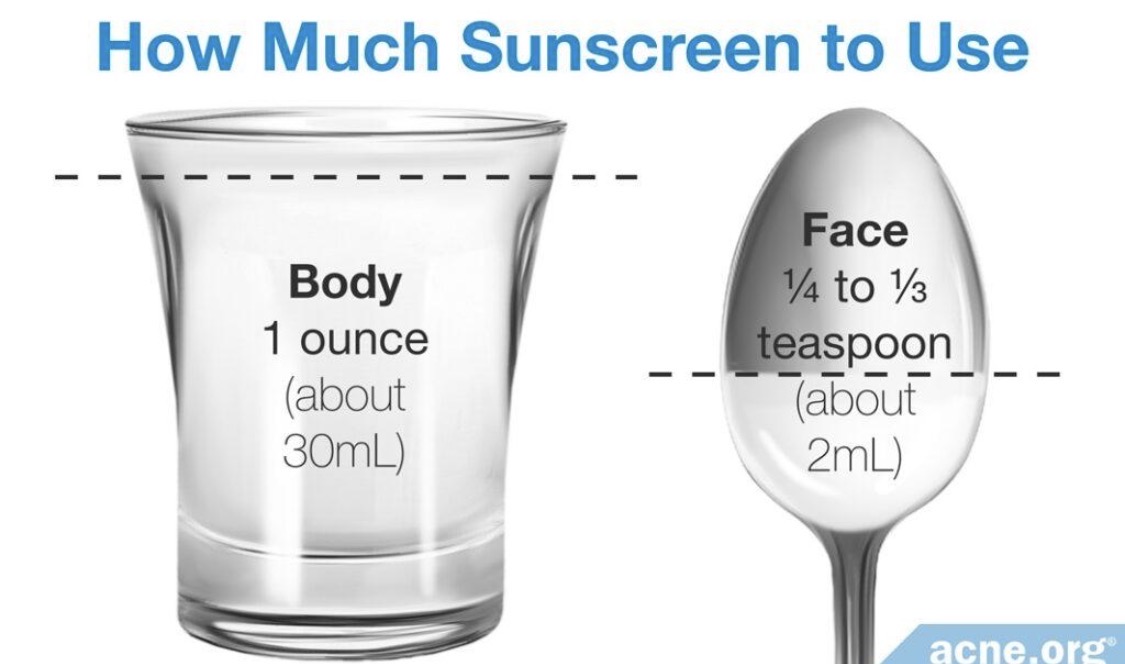
- Use enough (about a teaspoon for your face)
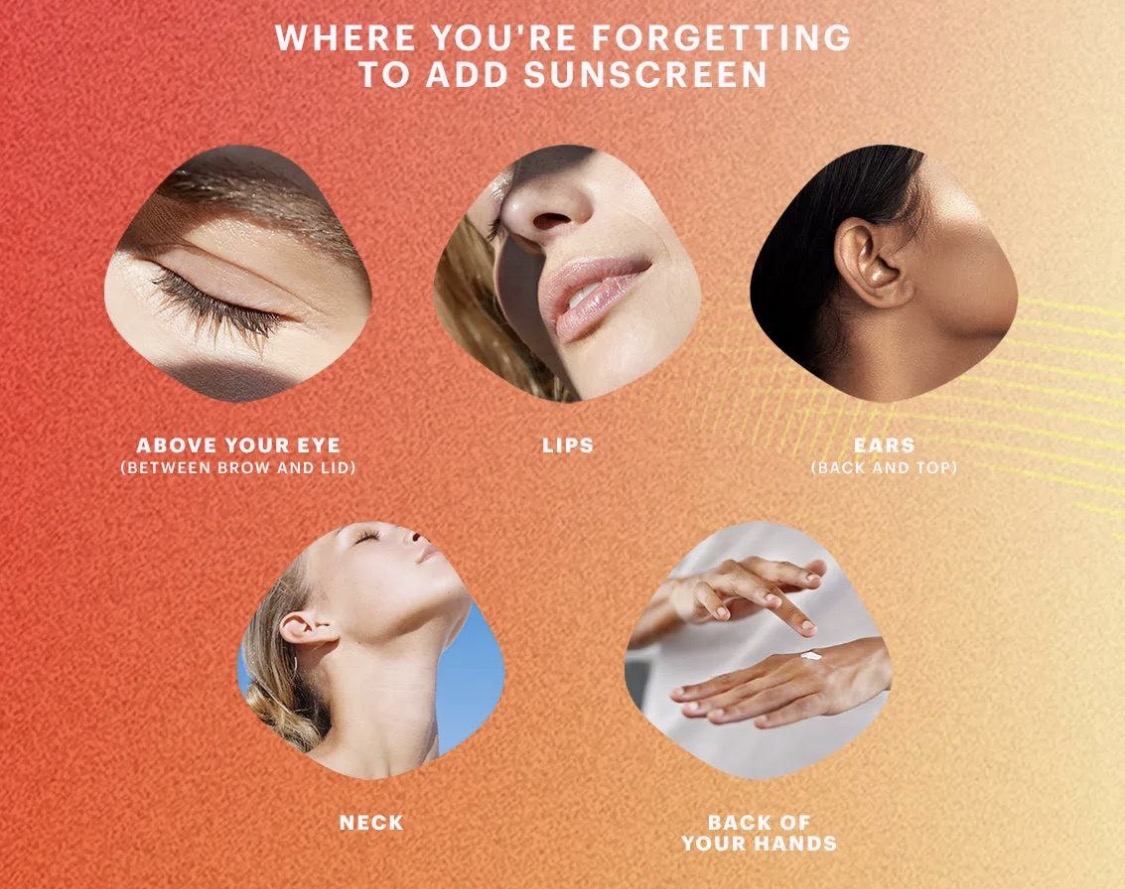
- Don't forget ears, neck, and hands
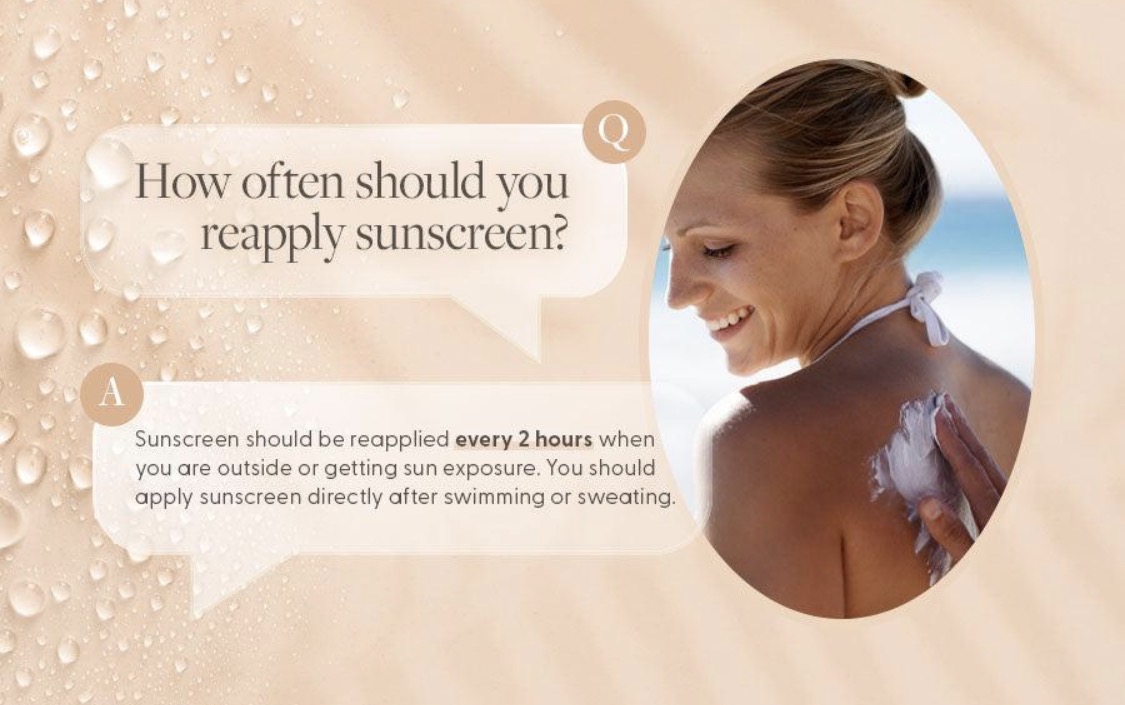
- Reapply every 2 hours, or after sweating/swimming
Consistency is what makes the difference.

🌿 Beyond Sunscreen: Smarter Sun Habits
Sunscreen is just one part of the bigger picture.
Protect your skin further by:
- Wearing hats and protective clothing
- Avoiding peak sun hours (10 AM – 2 PM)
- Seeking shade when possible
This is how people protected themselves long before modern products—and it still works.
💡 Final Thoughts
Taking care of your skin shouldn't mean compromising your health. The goal is simple: protect, don't overload.
By choosing cleaner sunscreen options and using them correctly, you can enjoy the sun the way it was meant to be—without long-term consequences.
If you're building a routine focused on non-toxic, effective products, sunscreen is one of the most important places to start.
🛒 Clean Mineral Sunscreens We Trust
Zinc oxide formulas, EWG Verified options, and reef-safe picks — all vetted for ingredient safety.
👉 Shop Clean Sunscreens →


📊 Frequently Asked Questions
What is the difference between mineral and chemical sunscreen?
Mineral sunscreen (zinc oxide or titanium dioxide) sits on top of the skin and reflects UV rays. Chemical sunscreen absorbs into the skin and converts UV rays into heat. Mineral is the cleaner, safer option — especially for sensitive skin.
What sunscreen ingredients should I avoid?
Avoid oxybenzone, octinoxate, homosalate, and synthetic fragrances. These chemical UV filters are absorbed into the bloodstream and have raised concerns in FDA safety reviews. Look for zinc oxide as the active ingredient instead.
How much sunscreen should I use on my face?
About 1/4 to 1/3 teaspoon (2mL) for your face, and about 1 ounce (30mL / a shot glass) for your full body. Most people apply far too little, which significantly reduces sun protection effectiveness.
How often should you reapply sunscreen?
Reapply every 2 hours when outside, and immediately after swimming or heavy sweating. No sunscreen provides all-day protection with a single morning application — reapplication is non-negotiable.
⚠️ Affiliate Disclosure: As an Amazon Associate, we earn a commission from qualifying purchases at no extra cost to you. All product recommendations are based on safety certifications and ingredient standards, not affiliate rates.
More Personal Care & Non-Toxic Living Guides
Ready to start shopping organic? Browse our full curated collection — everything is verified, certified, and actually worth buying.
Shop Organic Products →