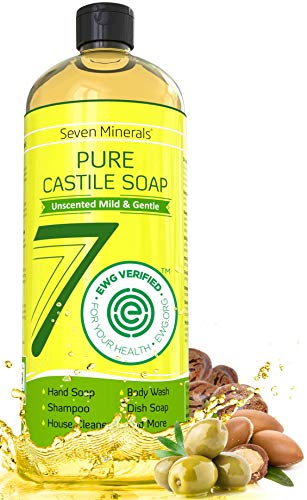
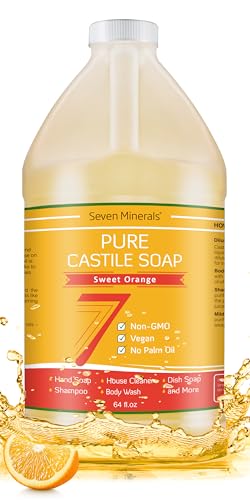
This post may contain affiliate links. As an Amazon Associate, we earn from qualifying purchases at no extra cost to you.
⚠️ Affiliate Disclosure: This page contains Amazon affiliate links (tag: genzproduc07c-20). We earn a small commission at no extra cost to you. All product recommendations are based on safety certifications and ingredient standards.
When it comes to personal care products, most people assume that if it's on the shelf, it must be safe.
That's not always the case.
Over time, we've learned that many everyday products contain ingredients linked to health concerns — from hormone disruption to long-term toxicity. That's where EWG's Skin Deep® database comes in.
It cuts through the noise and gives you a clear, science-backed way to evaluate what you're putting on your body.
📊 What Is the EWG Skin Deep® Score?
The Environmental Working Group (EWG) created Skin Deep® to rate products based on real scientific evidence, not marketing claims.
Every product gets two key ratings:
1. Hazard Score (1–10)
1–2
Best
Low hazard, minimal concern
3–6
Moderate
Some concern, use caution
7–10
Worst
High hazard, potential health risks
This score is based on known and suspected links between ingredients and health effects — not just one study, but a full weight-of-evidence approach.
👉 Important: A product's score is not just an average of its ingredients. It reflects the total risk profile.
2. Data Availability
- Limited Data: Not enough research exists
- Moderate Data: Some studies available
- Robust Data: Well-studied ingredients
This matters more than most people realize.
A "low hazard" ingredient with no research isn't necessarily safe — it just hasn't been studied enough yet.
✅ What Makes a Product Truly Safe?
The safest products score well in both areas:
- Low hazard rating
- Strong data availability
That combination means the product has been both tested and proven to be low risk.
🏆 What Does EWG VERIFIED® Mean?
When you see the EWG VERIFIED® mark, it's a different level entirely.
These products meet the strictest standards for safety and transparency.
✔ What That Includes:
- No ingredients from EWG's "Unacceptable" list
- Full ingredient disclosure (no hidden fragrances)
- Safe manufacturing practices
In a world full of vague labels like "natural" and "clean," this is one of the few certifications that actually means something.
🚨 Ingredient Concerns You Should Know About
EWG flags ingredients based on their potential impact on your health and the environment.
Here are the major categories to watch:
🚨 Health Risks
- Cancer: Linked to tumor growth or carcinogenic activity
- Developmental & Reproductive Toxicity: Can affect fertility, pregnancy, or child development
- Endocrine Disruption: Interferes with hormones
- Neurotoxicity: Impacts the brain and nervous system
⚠️ Body Impact
- Organ Toxicity: Affects organs like the liver, lungs, or heart
- Allergies & Irritation: Skin, eye, or respiratory reactions
- Enhanced Absorption: Ingredients that penetrate deeper into the body
🌎 Environmental Concerns
- Bioaccumulation: Builds up in your body over time
- Ecotoxicity: Harms wildlife and ecosystems
- Persistence: Doesn't break down easily
🧪 Hidden Risks
- Contamination: May contain toxic impurities
- Use Restrictions: Banned or limited in other countries
🌍 Why This Matters More Than Ever
Years ago, people trusted labels without question.
Today, we know better.
Many ingredients allowed in U.S. products are restricted or banned in Europe and other countries. That alone should make you take a second look at what you're using daily.
The truth is simple:
- 👉 Small exposures add up over time
- 👉 Daily routines become long-term habits
- 👉 What you use consistently matters most
🔗 The Deodorant Problem (Real-World Example)
Deodorant is one of the most-used daily personal care products — and one of the most misunderstood.
Most conventional brands (and even many "natural" alternatives) score in the Moderate Hazard range when run through EWG's database. The culprits? Fragrance blends, preservatives, and aluminum compounds.
Read our deep-dives for the full breakdown:
- The Truth About Aluminum in Deodorant (And What to Use Instead)
- The Truth About Deodorants: I Scanned Dozens… Here's What I Found
🪜 How to Start Making Safer Choices
You don't need to overhaul your entire routine overnight.
Start with these steps:
- Check your products in Skin Deep®
- Avoid high hazard scores (7–10)
- Look for EWG VERIFIED® when possible
- Replace products one at a time
Consistency beats perfection.
💡 Final Thought
There's a reason older generations relied on simpler, fewer ingredients.
Less complexity often meant fewer risks.
Now, with thousands of synthetic compounds in everyday products, it's on us to be more informed.
That doesn't mean fear — it means awareness.
And once you understand how to read these ratings, you'll never look at product labels the same way again.
🛒 Start With Deodorant — The Highest-Impact Swap
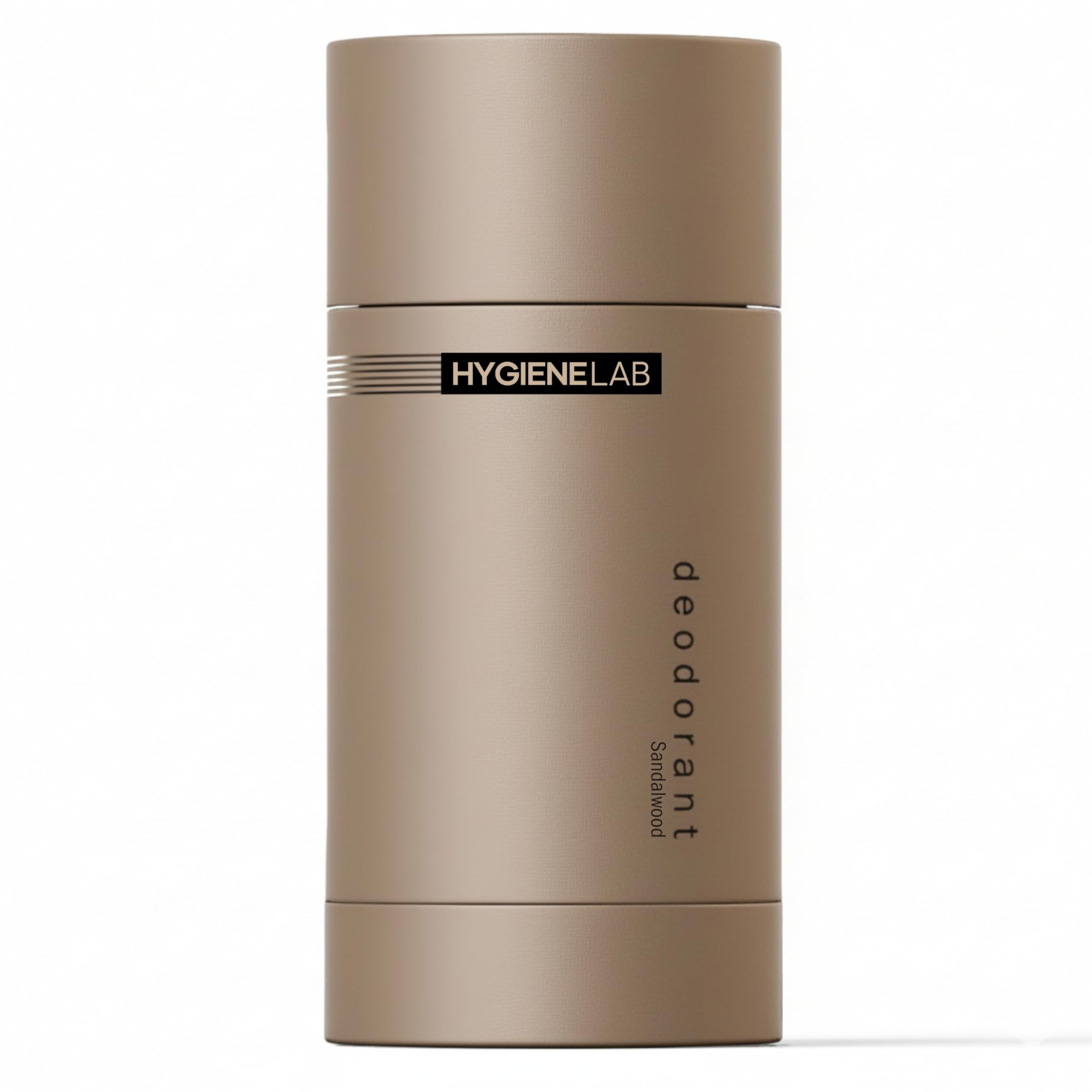
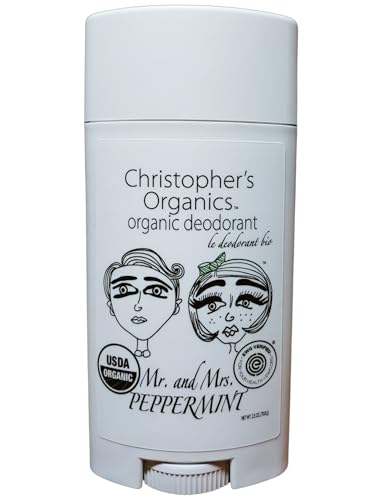
Deodorant is one of the most-used personal care products — and one where EWG scores diverge the most between brands. These are our top EWG Verified and aluminum-free picks.
👉 Shop EWG-Vetted Deodorants →
📊 Frequently Asked Questions
What is the EWG Skin Deep® hazard score?
It rates products 1–10 based on scientific evidence. 1–2 = low hazard, 3–6 = moderate concern, 7–10 = high hazard. It uses a full weight-of-evidence approach, not just one study.
What does EWG VERIFIED® mean?
It means the product meets EWG's strictest standards: no unacceptable ingredients, full ingredient disclosure, and safe manufacturing practices. It's one of the most reliable safety certifications in personal care.
Why does data availability matter in EWG ratings?
A low hazard score with limited data doesn't guarantee safety — it may mean the ingredient simply hasn't been studied enough. Always look for products with both low hazard AND robust data availability.
Are U.S. personal care products regulated like in Europe?
No. Many ingredients allowed in the U.S. are restricted or banned in Europe. That's exactly why third-party databases like EWG Skin Deep® are so useful for making informed choices.
⚠️ Affiliate Disclosure: As an Amazon Associate, we earn a commission from qualifying purchases at no extra cost to you. All product recommendations are based on safety certifications and ingredient standards, not affiliate rates.
More Personal Care & Non-Toxic Living Guides
Ready to start shopping organic? Browse our full curated collection — everything is verified, certified, and actually worth buying.
Shop Organic Products →