This post may contain affiliate links. As an Amazon Associate, we earn from qualifying purchases at no extra cost to you.
Most people don't realize it, but microplastics are everywhere—your kitchen, your bathroom, even your food.
They've been found in human blood, lungs, and more. The problem? We're exposed daily through common household products.
The good news: you can eliminate most of your exposure with a few smart swaps.
⚠️ Most "clean" products aren't actually clean.
This guide cuts through the noise and shows you what's truly organic, non-toxic, and worth buying.
1. Plastic Food Storage Containers
Plastic containers break down over time, especially when heated—leaching microplastics directly into your food.
Better Option:
👉 Upgrade to glass storage →
2. Non-Stick Cookware (Teflon)
Scratched or overheated non-stick pans can release harmful particles into your meals.
Better Option:
👉 Switch to non-toxic cookware →
3. Synthetic Sponges
Most sponges are plastic-based and shed microplastics every time you scrub.
Better Option:
👉 Use natural cleaning tools →
4. Plastic Cutting Boards
Each knife cut releases tiny plastic fragments into your food.
Better Option:
👉 Switch to natural wood tools →
5. Tea Bags
Many tea bags contain plastic fibers that release microplastics in hot water.
Better Option:
👉 Shop plastic-free herbal tea bags →
6. Bottled Water
Studies show bottled water contains microplastics.
Better Option:
👉 Shop eco-friendly reusable alternatives →
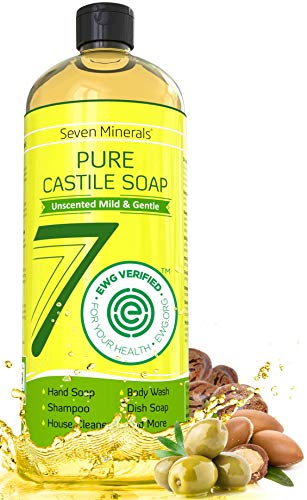
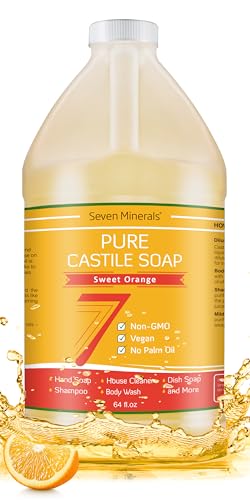
7. Cleaning Products
Many cleaning products contain synthetic chemicals and come in plastic packaging.
Better Option:
👉 Switch to plant-based cleaning →
8. Toothpaste & Personal Care Products
Some brands still use synthetic fillers and harmful ingredients.
Better Option:
👉 Shop clean, natural personal care products →
9. Synthetic Clothing
Polyester sheds microplastics every time you wash it.
Better Option:
Choose natural fabrics like cotton and wool whenever possible.
👉 Shop natural bamboo fabric alternatives →
10. Plastic Wrap
Plastic wrap transfers chemicals directly onto your food.
Better Option:
👉 Use reusable alternatives →
Why This Matters
Reducing microplastic exposure isn't about being perfect—it's about making better choices over time.
Every small swap reduces the load on your body and your environment.
Where to Start
If you're overwhelmed, start here:
- Replace your cookware
- Upgrade your food storage
- Switch your cleaning supplies
These 3 changes alone can drastically reduce exposure.
Final Thoughts
The modern world is filled with hidden toxins—but you don't have to accept them.
At Gen Z Products, we focus on clean, organic, non-GMO alternatives that actually make a difference.
🛒 Start Switching to Non-Toxic Living Today
You don't need to overhaul your entire home overnight.
Start with just ONE swap—and build from there.
⚡ The sooner you switch, the less toxins in your home.
Ready to start shopping organic? Browse our full curated collection — everything is verified, certified, and actually worth buying.
Shop Organic Products →