This post may contain affiliate links. As an Amazon Associate, we earn from qualifying purchases at no extra cost to you.
This article is for educational purposes only and is not medical advice. Consult your physician or healthcare professional if you have concerns about food sensitivities, allergies, hormone-related conditions, or reactions to essential oils and concentrated plant extracts.
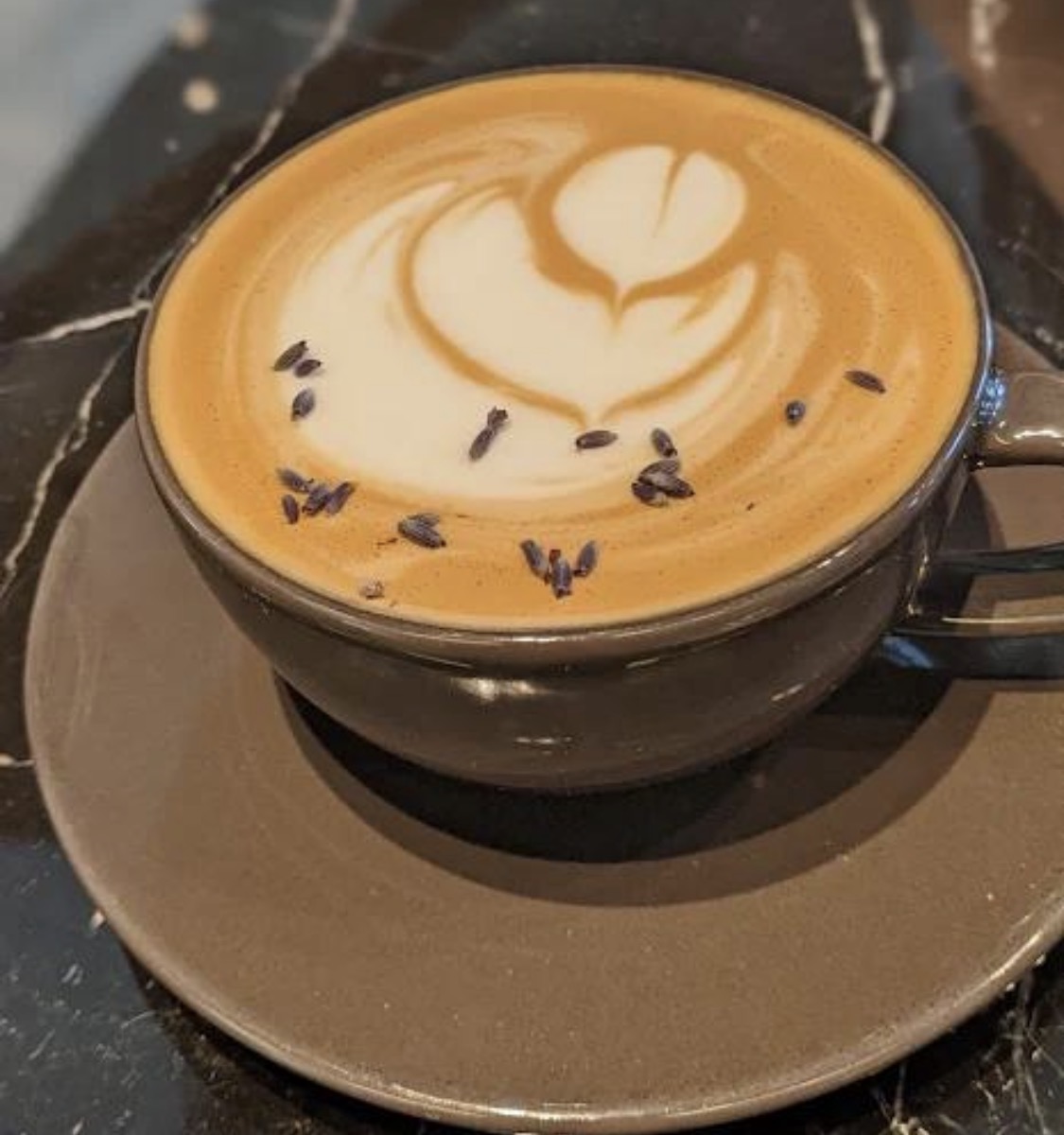
Lavender is having a major moment. From lavender lattes and lemonades to syrups, desserts, yogurts, and cocktails, the soft purple herb has become one of the trendiest flavors in food and drinks.
Walk into almost any coffee shop and you'll likely find a lavender latte on the menu. Even Starbucks rolled out multiple lavender-themed drinks this year.
But there's one important question most people never ask:
Is the lavender flavor actually real lavender?
In many cases, the answer is surprisingly complicated.
The Lavender Trend Isn't Always What It Seems
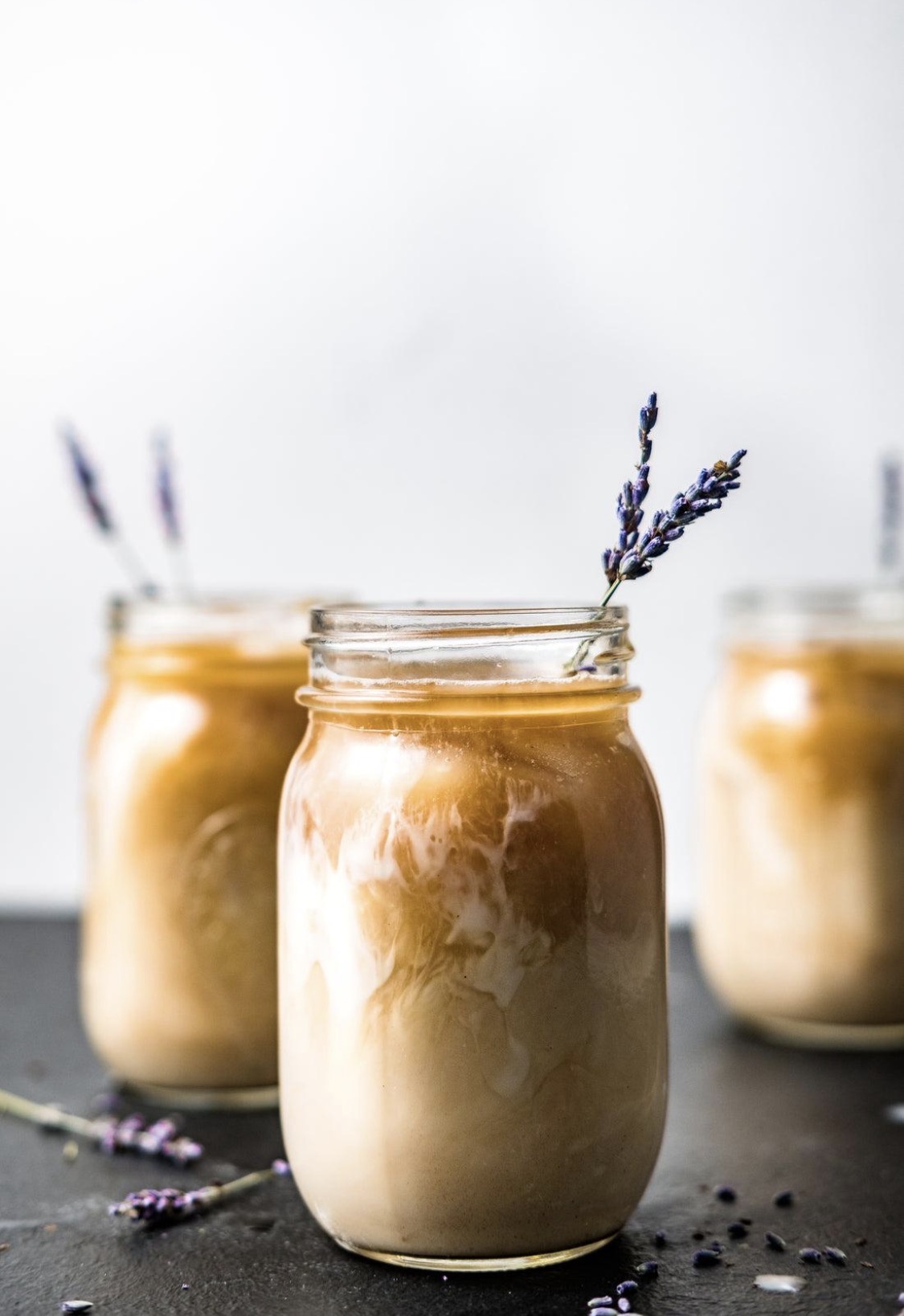
A lot of products marketed as "lavender" contain very little actual lavender plant — or none at all.
Instead, some companies use:
- Artificial flavors
- "Natural flavors"
- Synthetic fragrance compounds
- Food dyes to mimic the purple color
That means the calming, botanical ingredient consumers expect may actually be a lab-created flavor blend instead of real lavender flowers.
What Real Lavender Should Look Like on a Label
If a product truly contains lavender, the ingredient list will usually say:
- Lavender
- Lavender extract
- Lavender flowers
- Lavandula (the plant's Latin name)
That's a good sign.
But here's where things get tricky:
Even if real lavender appears on the label, companies can still add:
- Natural flavors
- Artificial flavors
- Preservatives
- Solvents
So you still may not know how much of the taste actually comes from the plant itself.
Ingredients to Watch Out For
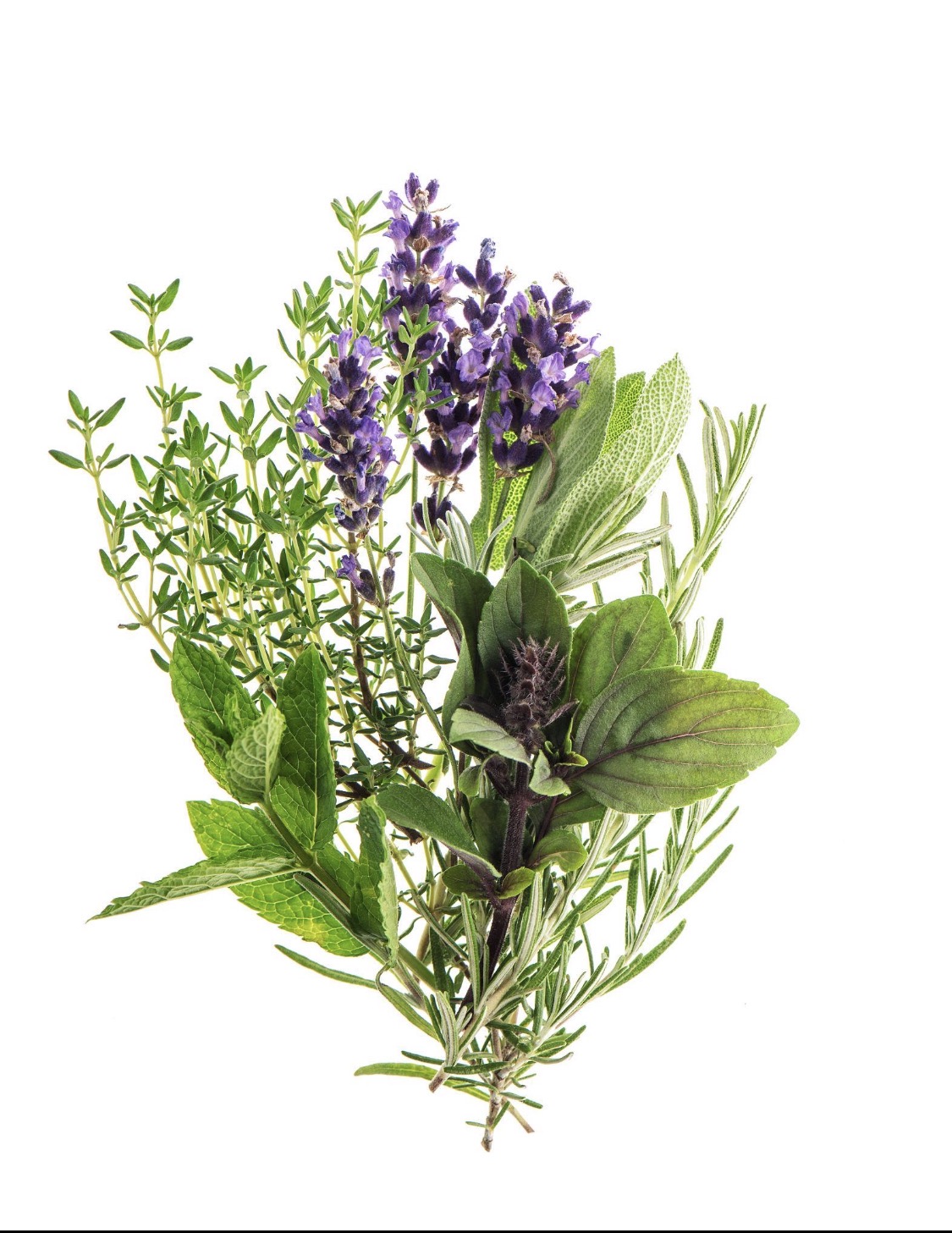
Artificial & "Natural" Flavors
The term "flavor" can hide dozens of undisclosed chemicals.
Even "natural flavor" doesn't necessarily mean minimally processed or completely safe. These blends can include solvents, preservatives, and chemical isolates consumers never see listed individually.
If you're trying to avoid unnecessary additives, this is one of the biggest label red flags to watch for.
Lavender Oil Isn't the Same as Culinary Lavender
Many people assume lavender oil and lavender extract are interchangeable.
They're not.
Lavender oil is highly concentrated and can differ chemically from the culinary versions used in food preparation. In large amounts, ingesting lavender oil may even be toxic.
Some research has also raised concerns about certain lavender oil components potentially acting as endocrine disruptors with repeated exposure, particularly in heavily scented personal care and home products.
That doesn't mean all lavender is dangerous — but it does mean consumers should understand the difference between:
- Real culinary lavender
- Lavender extract
- Concentrated fragrance oils
The Hidden Problem With Purple Food Coloring
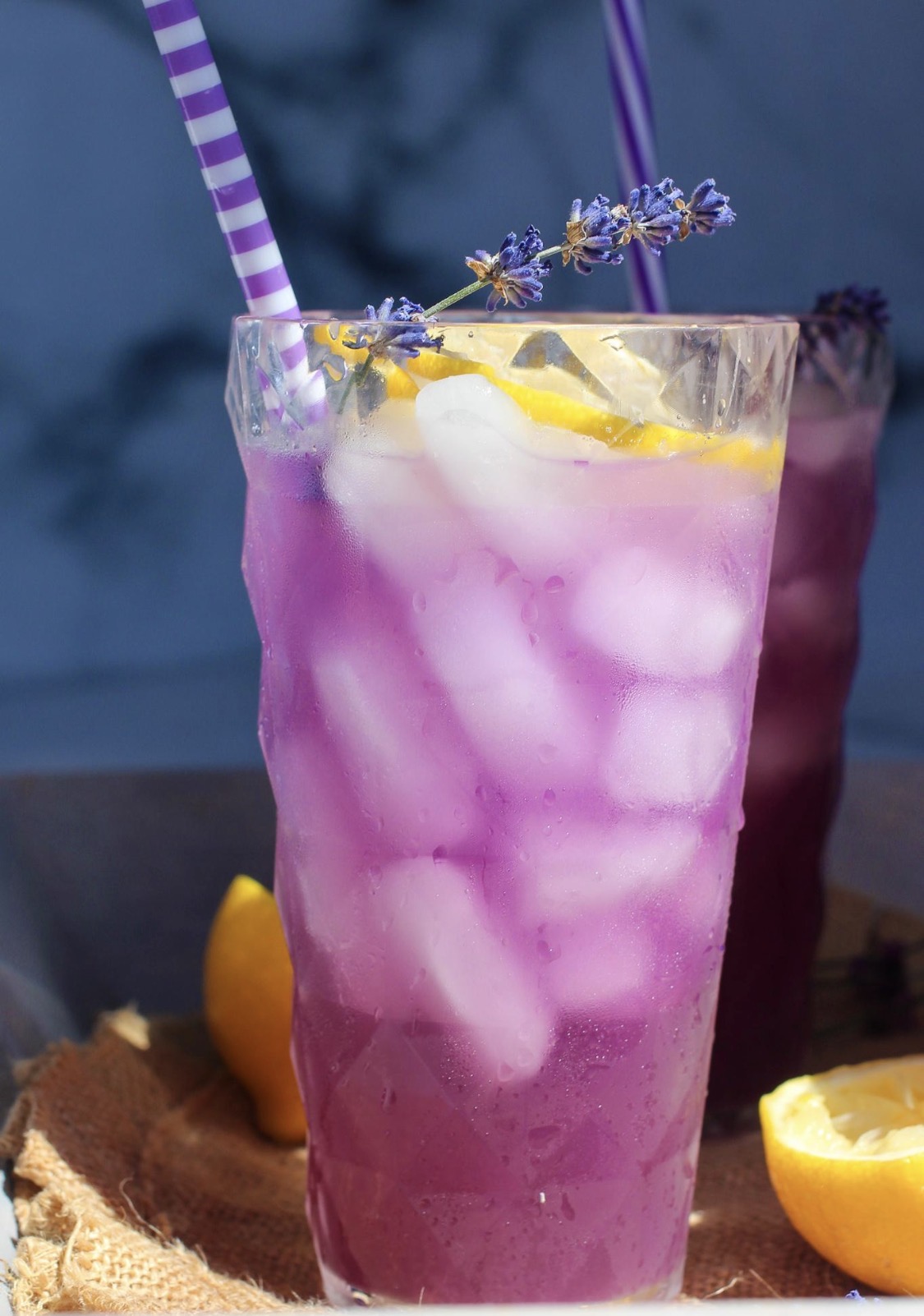
That beautiful lavender color in drinks and desserts often doesn't come from the plant itself.
Manufacturers commonly use combinations of:
- Red dyes
- Blue dyes
- Artificial color additives
Some artificial food dyes have been linked to:
- Behavioral concerns in children
- Developmental issues
- Potential cancer risks in animal studies
Several states have already started pushing back against certain synthetic food colorants in schools and consumer products.
Better Lavender Products Do Exist
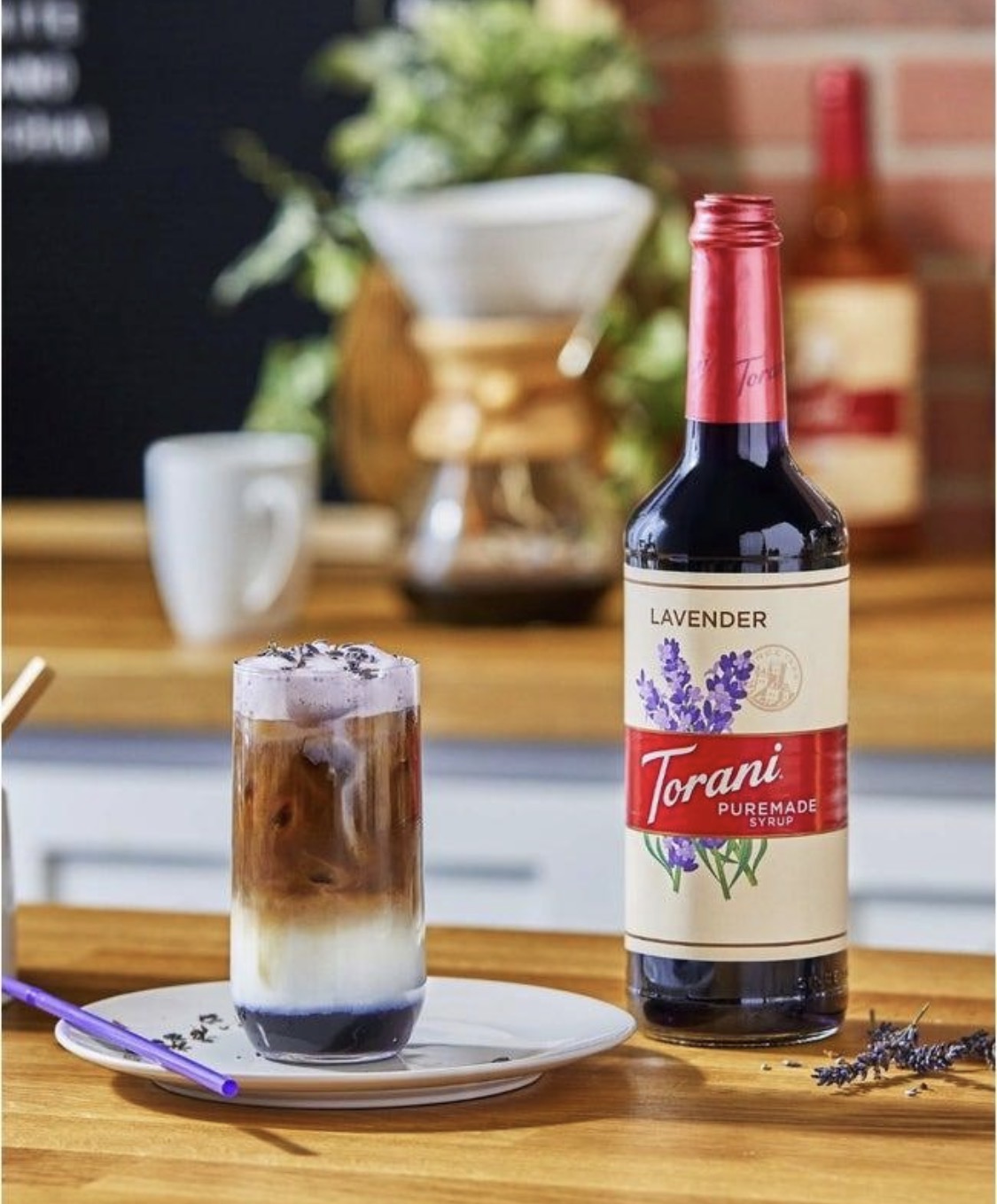
The good news is that some products use real lavender without relying heavily on artificial ingredients.
Look for products like:
- Lavender-infused honey
- Culinary lavender tea
- Lavender coconut yogurt
- Lavender olive oil
- Syrups made with real lavender flowers
One of the best traditional options is lavender honey, where the flavor naturally comes from bees collecting nectar from lavender blossoms — no artificial flavors needed.
Browse our wellness collection and kitchen essentials for clean, minimally processed options.
What About Lavender Coffee Drinks?
Many trendy lavender drinks still rely on flavor systems and color additives rather than real lavender flowers.
For example, according to ingredient information published by Starbucks, some lavender beverage powders contain natural flavors and added colorants instead of pure culinary lavender.
That doesn't mean you can never enjoy them. It simply means labels matter.
The Bottom Line
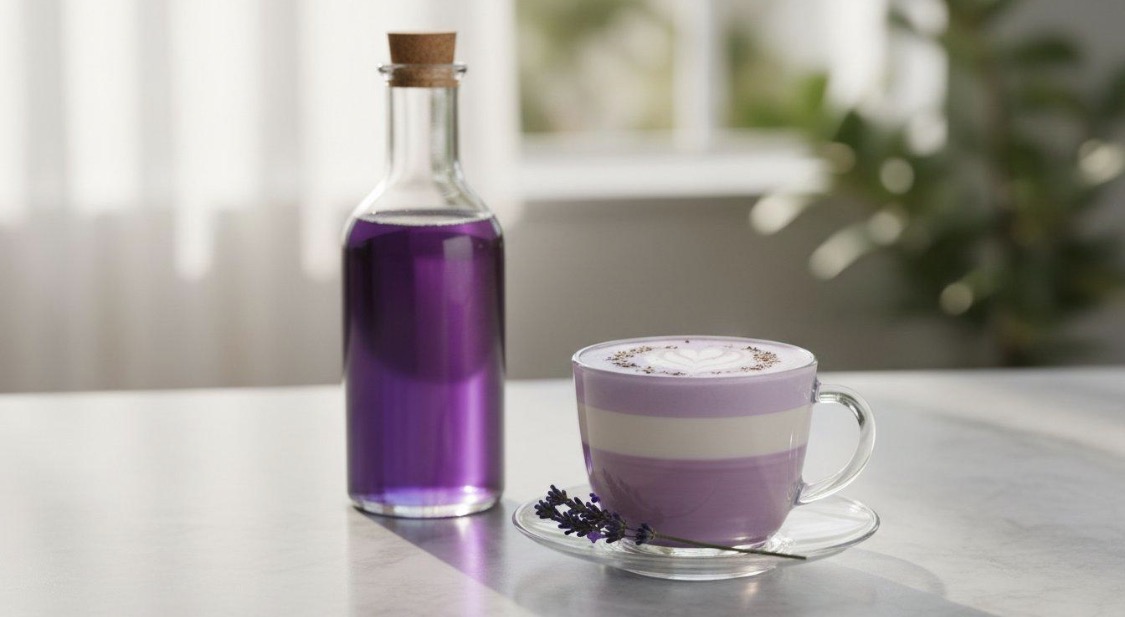
Lavender can absolutely be part of a clean, enjoyable food experience — when it's the real thing.
The problem is that modern food marketing often sells the idea of lavender while hiding heavily processed flavor blends behind vague ingredient labels.
The safest approach is simple:
- Choose products with clearly listed lavender ingredients
- Avoid unnecessary dyes and artificial flavors
- Be cautious with concentrated lavender oils
- Stick with minimally processed foods whenever possible
As always, consult your physician or healthcare professional if you have concerns about food sensitivities, allergies, hormone-related conditions, or reactions to essential oils and concentrated plant extracts.
Ready to start shopping organic? Browse our full curated collection — everything is verified, certified, and actually worth buying.
Shop Organic Products →