This post may contain affiliate links. As an Amazon Associate, we earn from qualifying purchases at no extra cost to you.
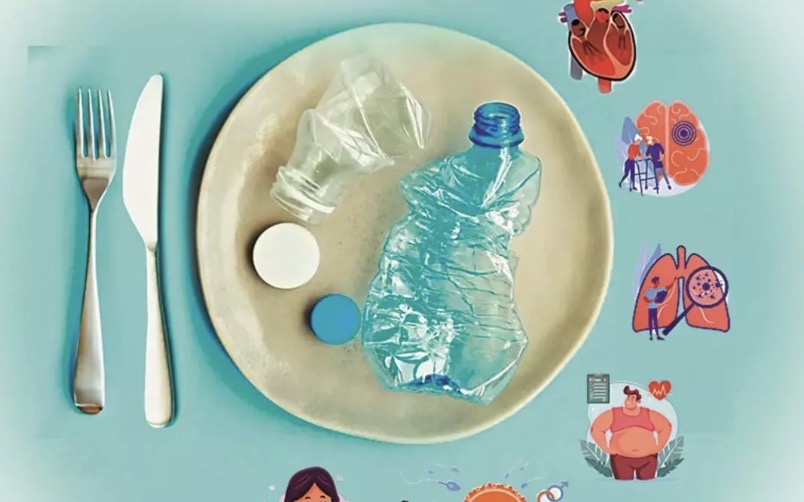
Plastic is everywhere — and unfortunately, that includes the food we eat.
Scientists are still uncovering how microplastics affect human health, but one thing is becoming increasingly clear: these tiny plastic particles are making their way into our bodies through everyday foods and drinks.
Recent research reviewed by the Environmental Working Group (EWG) found several common ways microplastics enter the food supply — from processing equipment and packaging to preparation methods at home.
The science is still evolving. Researchers are studying how these particles travel through the body and whether they contribute to long-term health issues. Some studies have even detected microplastics in places they should never be, including the brain.
While completely eliminating exposure may not be realistic today, there are practical ways to reduce it. Small changes in how we shop, prepare, and store food can make a meaningful difference over time.
Why Are Microplastics in Food?
Microplastics can enter food during production, packaging, transportation, cooking, and storage.
Food processing facilities often use plastic conveyor belts, tubing, gloves, aprons, and packaging materials that may shed tiny particles into food products. Ultra-processed foods (UPFs) tend to contain higher levels of plastics because they go through more industrial processing steps.
EWG scientist Dr. Samantha Romanick analyzed peer-reviewed studies examining microplastics in foods sold on store shelves. Her findings showed that the more processed a food is, the more opportunities there are for plastic contamination.
Many ultra-processed foods also contain additives like artificial flavors, emulsifiers, colorings, and sweeteners — ingredients that go through additional manufacturing and handling before ending up in packaged foods.
The good news? There are simple ways to lower your exposure.
1. Be Careful With Hot Drinks
Hot liquids and plastic are not a great combination.
Studies have shown that hot beverages served in disposable paper cups lined with plastic, plastic lids, or plastic tea bags can release microplastic particles into your drink.
A few safer alternatives include:
- Bringing your own reusable stainless steel or glass cup
- Choosing ceramic mugs when dining in
- Brewing loose-leaf tea instead of using plastic mesh tea bags
- Making coffee or tea at home whenever possible
Traditional brewing methods may seem old-fashioned, but they often involve fewer synthetic materials and less waste overall.
2. Avoid Bottled Water When Possible
Disposable plastic water bottles are one of the most common sources of microplastic exposure.
Researchers have found microplastics in many bottled water brands, and studies suggest even opening and closing a plastic bottle cap can release particles into the water.
Heat makes the problem worse. Leaving bottles in hot cars or direct sunlight may increase plastic breakdown.
Instead, consider:
- Using a high-quality water filter at home
- Drinking from reusable glass or stainless steel bottles
- Storing beverages away from heat and sunlight
Filtered tap water in a reusable container is often a safer and more sustainable option.
3. Wash Rice Before Cooking
Rice may contain microplastics from processing and packaging.
One study comparing different rice varieties found that instant rice contained significantly more plastic particles than dry rice, likely due to additional manufacturing steps.
Researchers also discovered something simple but effective:
Washing rice before cooking helped remove plastic contaminants.
Rinsing rice also helps reduce excess starch and may remove other unwanted residues. A quick rinse under clean water is an easy habit that can lower exposure without changing your diet.
4. Choose Less Processed Seafood
Seafood can also contain microplastics, especially heavily processed products.
One study comparing protein sources found that breaded shrimp contained some of the highest levels of plastic particles, while wild-caught seafood contained far less.
More processing typically means:
- More packaging
- More industrial handling
- More opportunities for contamination
When possible, choose:
- Fresh or frozen raw fish
- Wild-caught seafood
- Less processed protein options
Simple, minimally processed foods often come with fewer additives and less exposure overall.
5. Rethink How You Store and Heat Food
Heating food in plastic containers can increase plastic breakdown and leaching.
Even containers labeled "microwave-safe" are not necessarily free from releasing microscopic plastic particles. Those labels usually only mean the container won't melt.
To reduce exposure:
- Use glass containers whenever possible
- Avoid microwaving food in plastic
- Transfer leftovers to plates or glass before reheating
- Hand wash containers instead of exposing them to high dishwasher heat
Temperature swings — heating and freezing — can accelerate plastic degradation over time.
Another overlooked source? Plastic cutting boards.
Cutting with knives on plastic surfaces may release tiny plastic fragments directly into food. Wood or bamboo cutting boards can be a safer alternative for many kitchens.
Small Changes Add Up
Microplastics have become deeply embedded in modern life, and avoiding them completely may not be possible right now.
But reducing exposure does not require perfection.
Choosing less processed foods, avoiding unnecessary plastic contact, and returning to simpler food preparation habits can help lower the amount of plastic entering your body over time.
Sometimes the best solutions are the traditional ones — cooking at home, using durable materials like glass and wood, and keeping food as close to its natural state as possible.
As research continues, staying informed and making practical adjustments today may help protect long-term health tomorrow.
This article is for educational purposes only and is not medical advice. Always consult a qualified healthcare professional regarding health concerns or dietary changes.
Ready to start shopping organic? Browse our full curated collection — everything is verified, certified, and actually worth buying.
Shop Organic Products →


