This post may contain affiliate links. As an Amazon Associate, we earn from qualifying purchases at no extra cost to you.
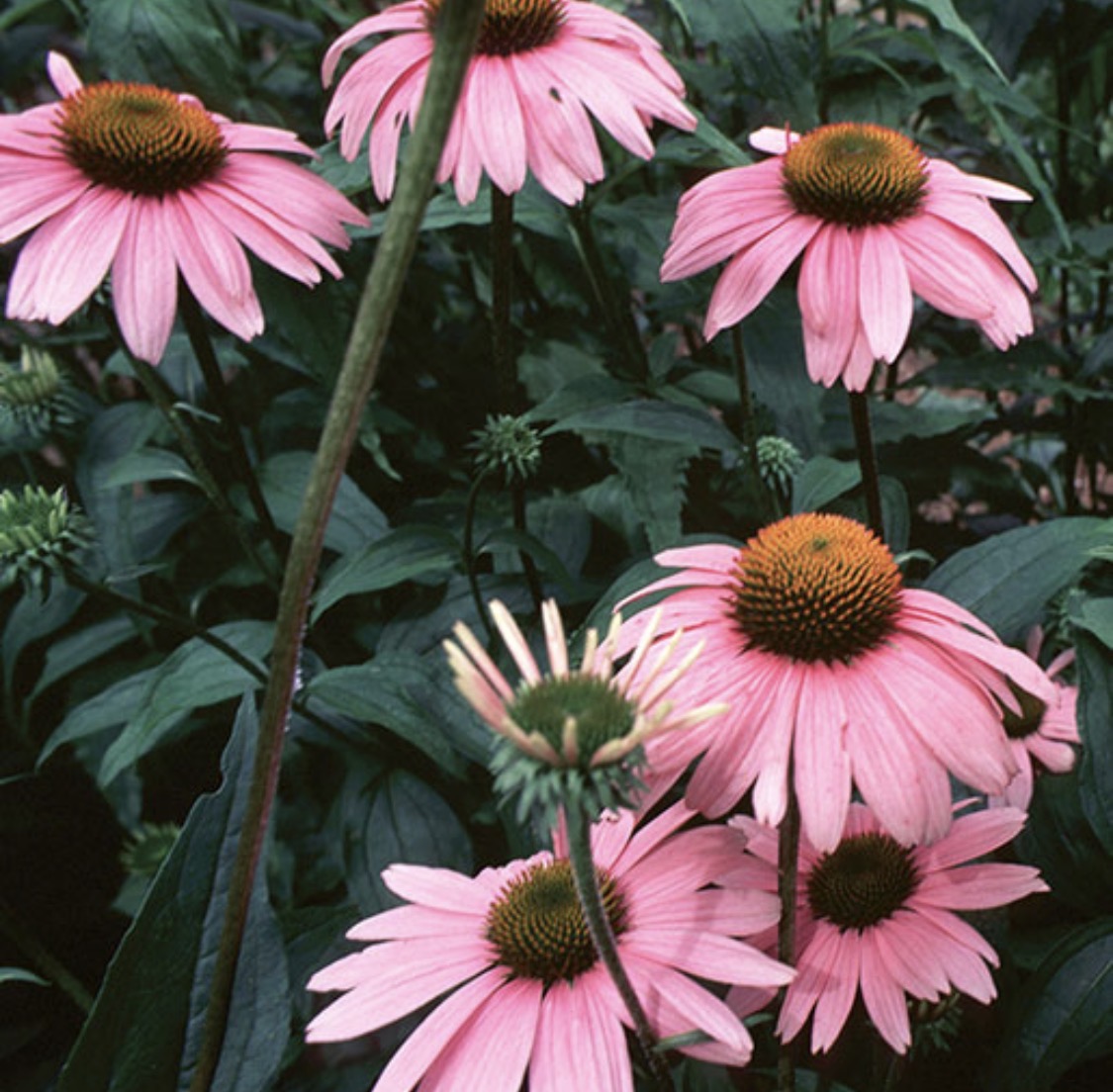
🌱 What Is Echinacea?
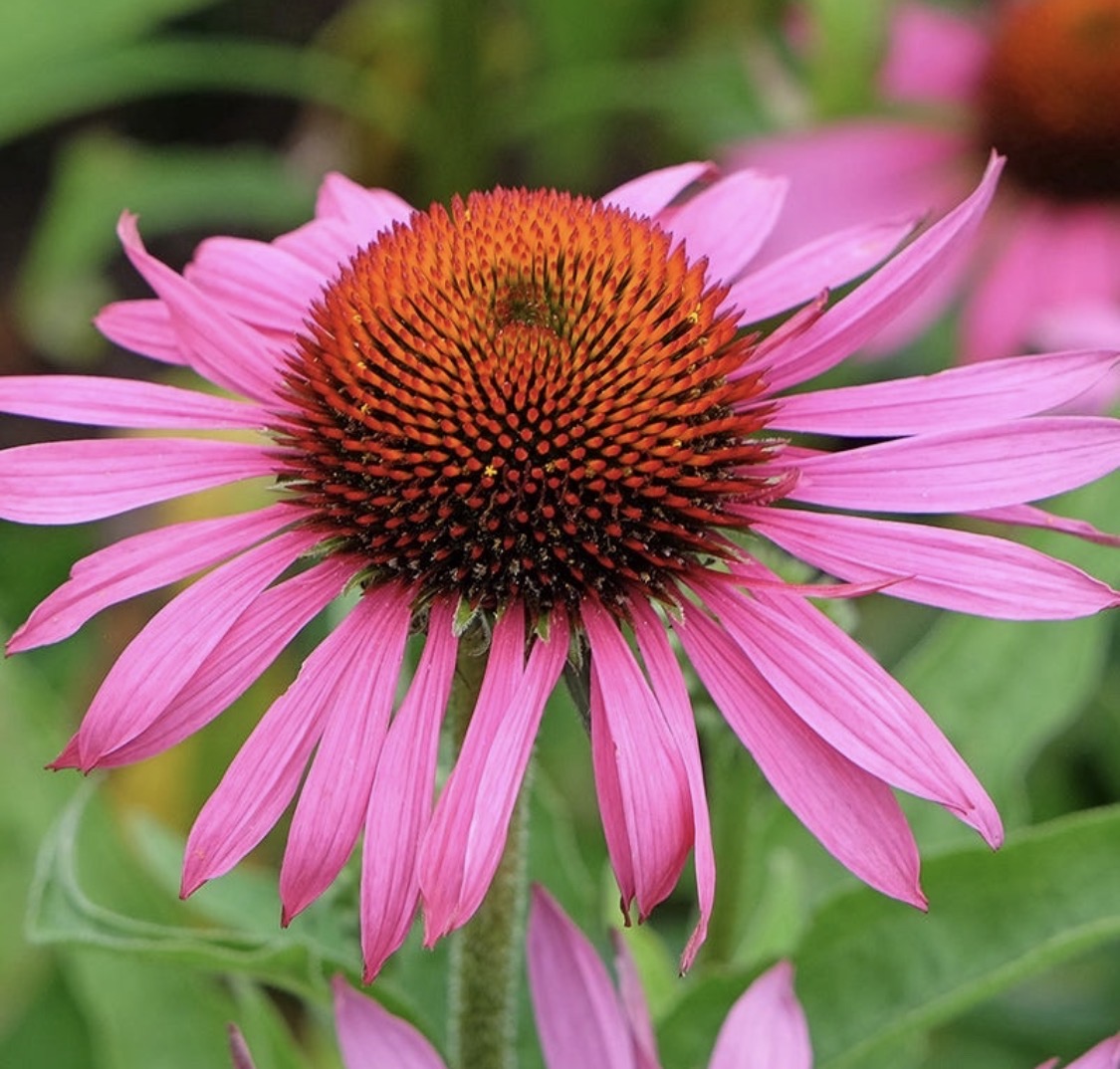
Echinacea (Echinacea purpurea), also known as purple coneflower, is a traditional herbal remedy used for centuries to support the immune system.
Native to North America, it has long been used to help the body defend against infections, speed recovery, and maintain overall wellness.
Today, echinacea is one of the most researched natural immune-support herbs—and for good reason.
🛡️ Echinacea Benefits for Immune Support
Echinacea works by supporting and regulating immune function—not just boosting it.
Key benefits:
- Supports immune system response
- Helps reduce cold and flu severity
- May shorten duration of illness
- Provides antioxidant and anti-inflammatory support
- Supports respiratory health
🔬 What the Research Says
Modern science backs what tradition has known for generations:
- A 2014 meta-analysis (The Lancet Infectious Diseases) found echinacea reduced recurring respiratory infections by 35%
- Research in Phytomedicine (2010) showed significant anti-inflammatory effects
- Clinical trials (2012) showed reduced cold duration and severity
⚙️ How Echinacea Works
Echinacea contains powerful compounds that support immune health:
- Polysaccharides → stimulate immune response
- Alkamides → regulate immune activity
- Caffeic acid derivatives → provide antioxidant protection
These compounds work together to help your body respond faster and more effectively.
🌿 Traditional Uses That Still Matter
For generations, echinacea was used by Native American tribes for:
- Infections and wounds
- Snake and insect bites
- Toothaches and pain relief
It was trusted both internally and topically, proving its versatility.
💊 Echinacea Dosage Guide
For adults:
- 300–500 mg extract, 3x daily (acute use)
- 300 mg daily (preventative)
- Liquid extract: 2.5–5 mL, 3x daily
👉 Best used at the first sign of illness
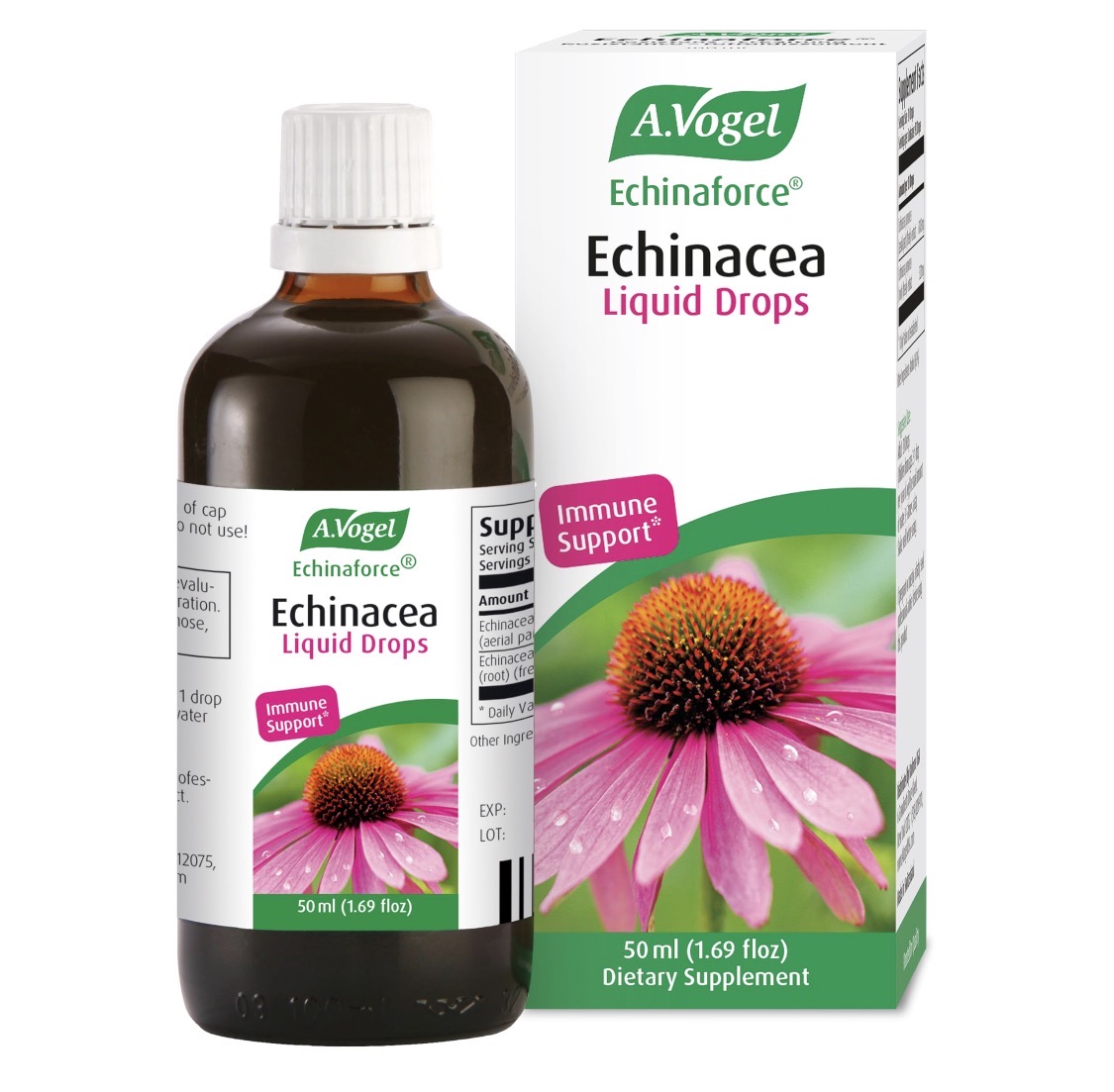
A. Vogel Echinaforce
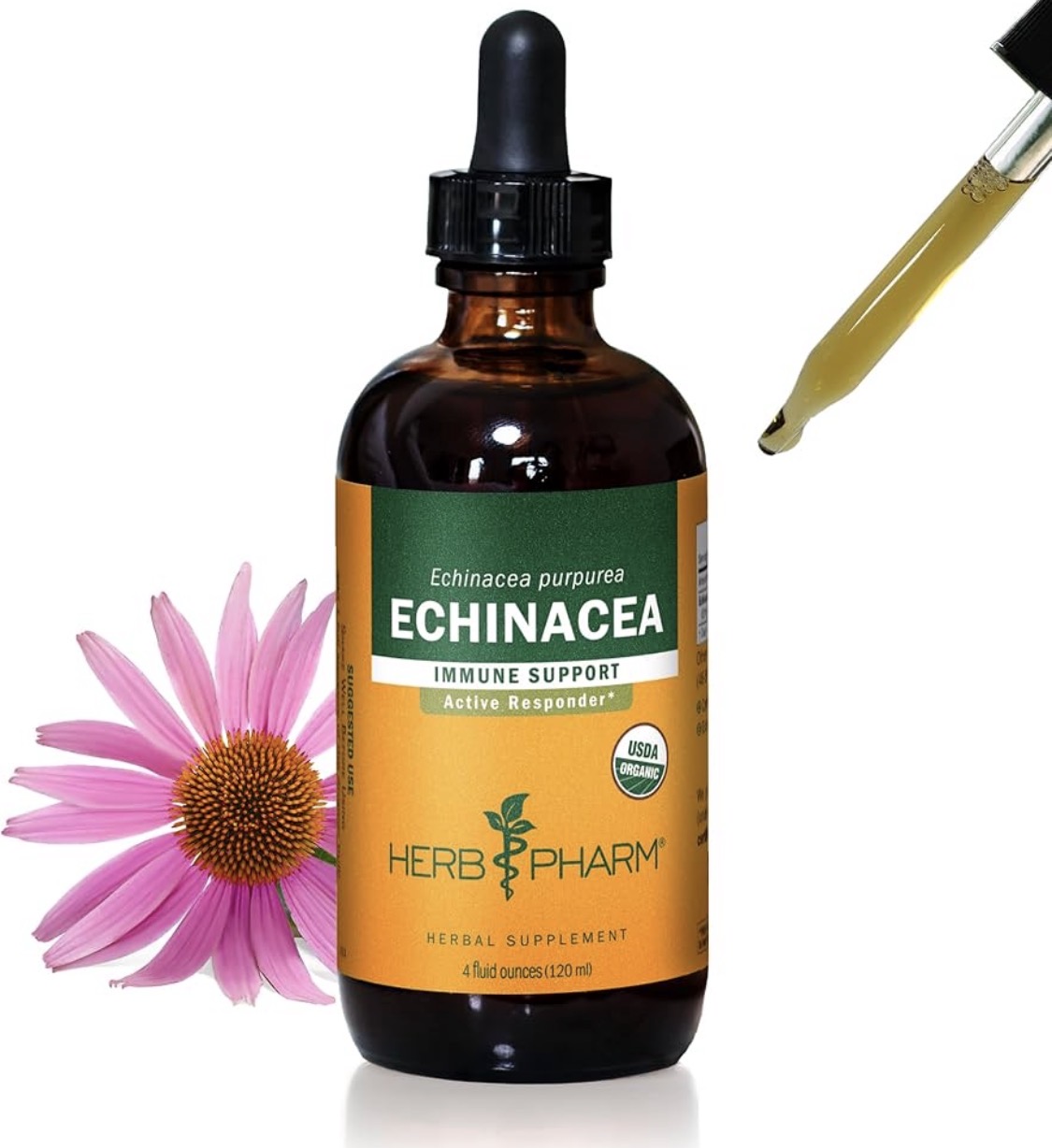
Herb Pharm Echinacea
⚠️ Side Effects & Safety
Echinacea is generally safe, but:
- Avoid if allergic to daisy family plants (Asteraceae)
- Use caution with autoimmune conditions
- May interact with immunosuppressant medications
🌿 Best Herbal Combinations
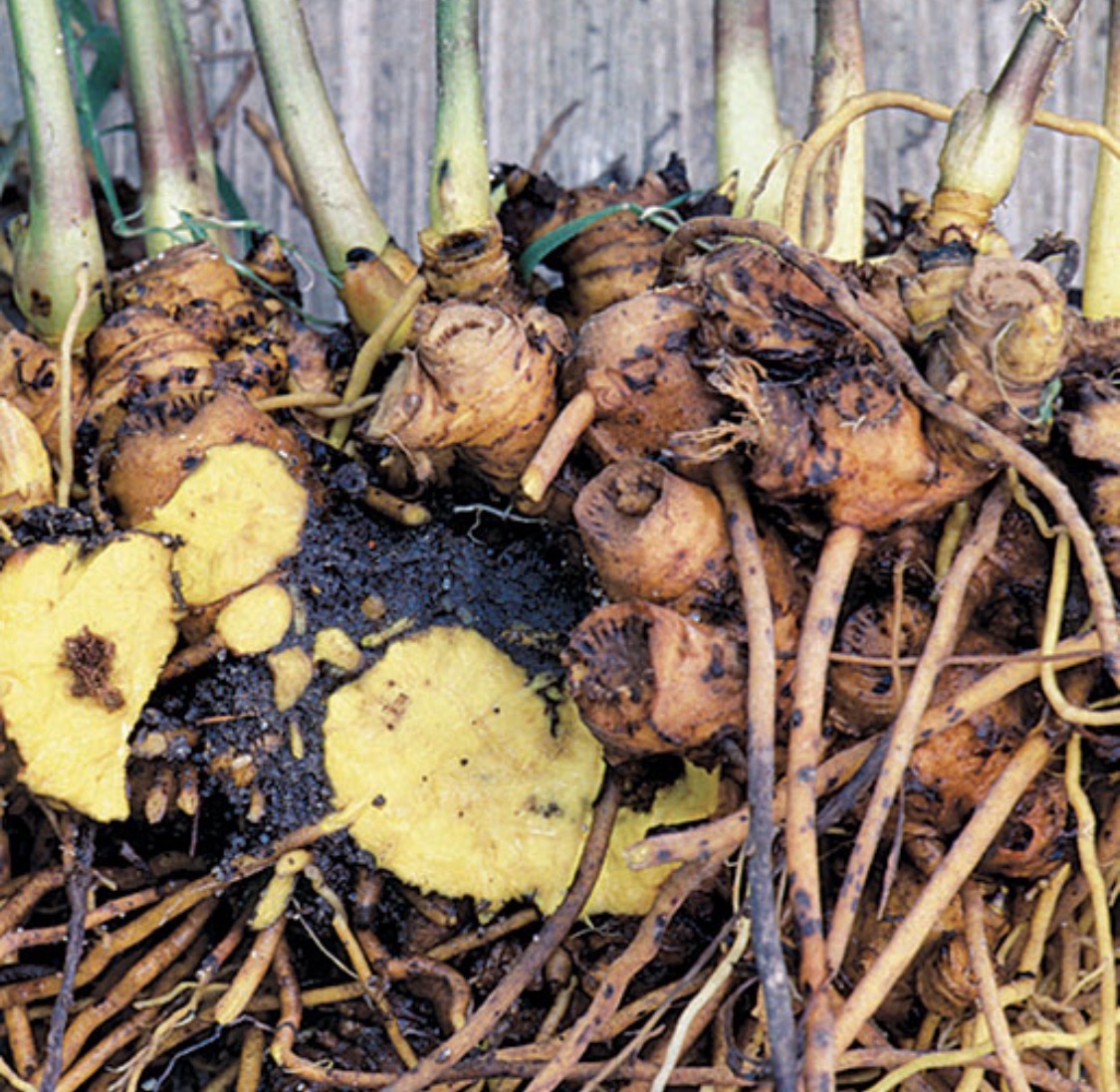
Echinacea + Goldenseal
Adds antimicrobial protection and supports mucosal health
Shop Herbal Remedies →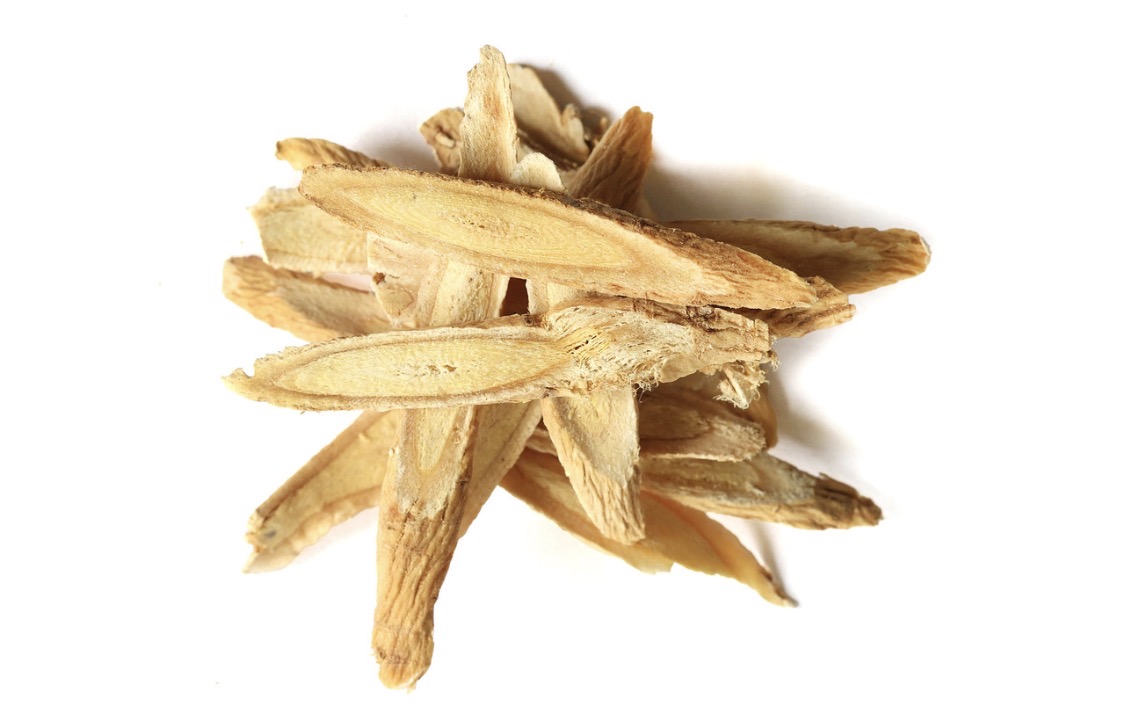
Echinacea + Astragalus
Combines short-term immune boost with long-term resilience
Shop Herbal Remedies →🧠 When Should You Take Echinacea?
Use it when:
- You feel a cold coming on
- During high-risk seasons (fall/winter)
- You need short-term immune support
Avoid long-term daily use without breaks.
🛒 Clean Immune Support (No Guesswork)
If you're looking for non-toxic, effective immune support, skip the noise.
👉 Explore trusted options here:
👉 Shop Herbal & Natural Remedies →📊 FAQ
Does echinacea really work?
Research shows it can reduce cold duration and lower infection risk.
How fast does echinacea work?
Best results occur when taken at the first sign of symptoms.
Can you take echinacea daily?
Short-term use is recommended. Long-term use should include breaks.
⚠️ Affiliate Disclosure: As an Amazon Associate, we earn a commission from qualifying purchases at no extra cost to you. All product recommendations are based on research and certification standards, not affiliate rates.
Ready to start shopping organic? Browse our full curated collection — everything is verified, certified, and actually worth buying.
Shop Organic Products →